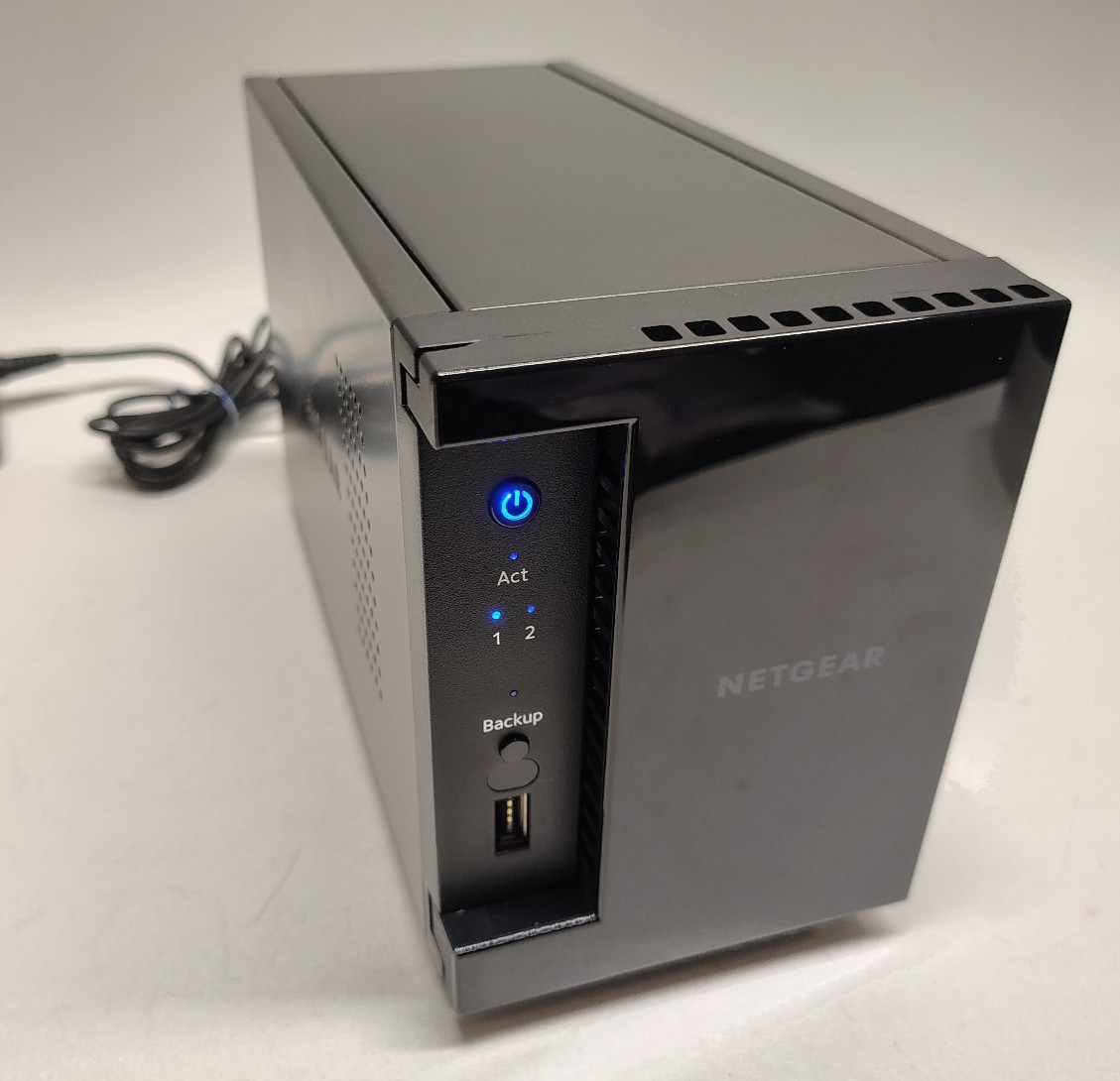
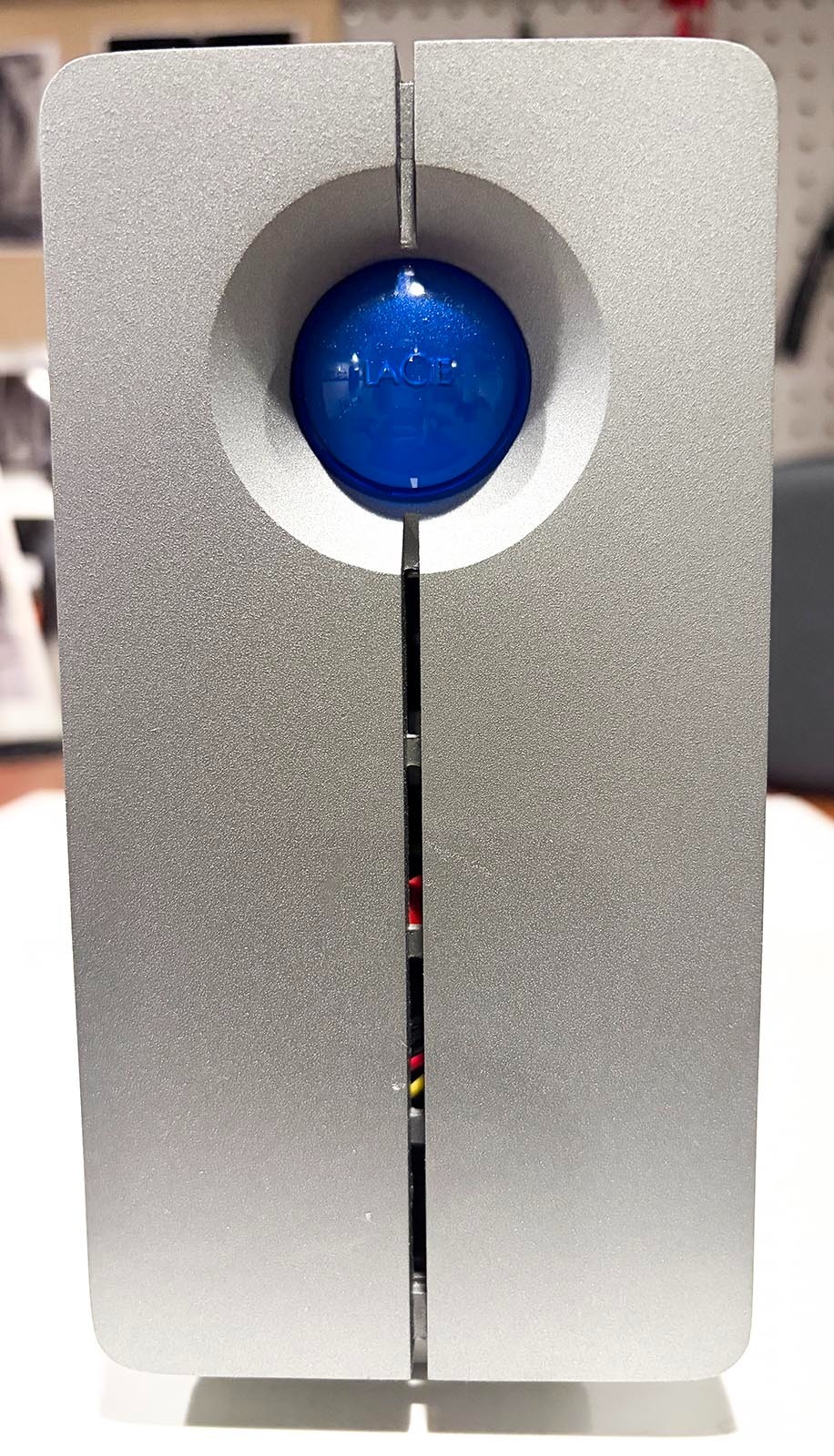
Choosing NAS storage & drives comes down to a practical fork: do you want a lower-priced two-bay NAS for a compact setup, or a four-bay enclosure that supports both 2.5- and 3.5-inch SATA drives? The NETGEAR ReadyNAS 202 and Synology DS423 answer that differently. Matching the bay count, drive format, condition, and price to your planned network attached storage matters more than simply choosing the larger enclosure.
Quick verdict
NETGEAR is the lower-cost path for a shopper who wants the RN202 format and can accept a Used unit. Synology is the more suitable match for a New, Sealed, diskless enclosure with four bays and support for 2.5- and 3.5-inch SATA HDD/SSD drives. The right choice depends on whether your build is centered on a compact two-bay NAS or a four-bay enclosure with a broader stated drive-format brief.
At a glance
| NAS | Price | Bays | Condition |
|---|---|---|---|
| NETGEAR ReadyNAS 202 RN202 | $71.00 | 2 | Used |
| Synology DS423 | $374.99 | 4 | New |
Where each NAS wins
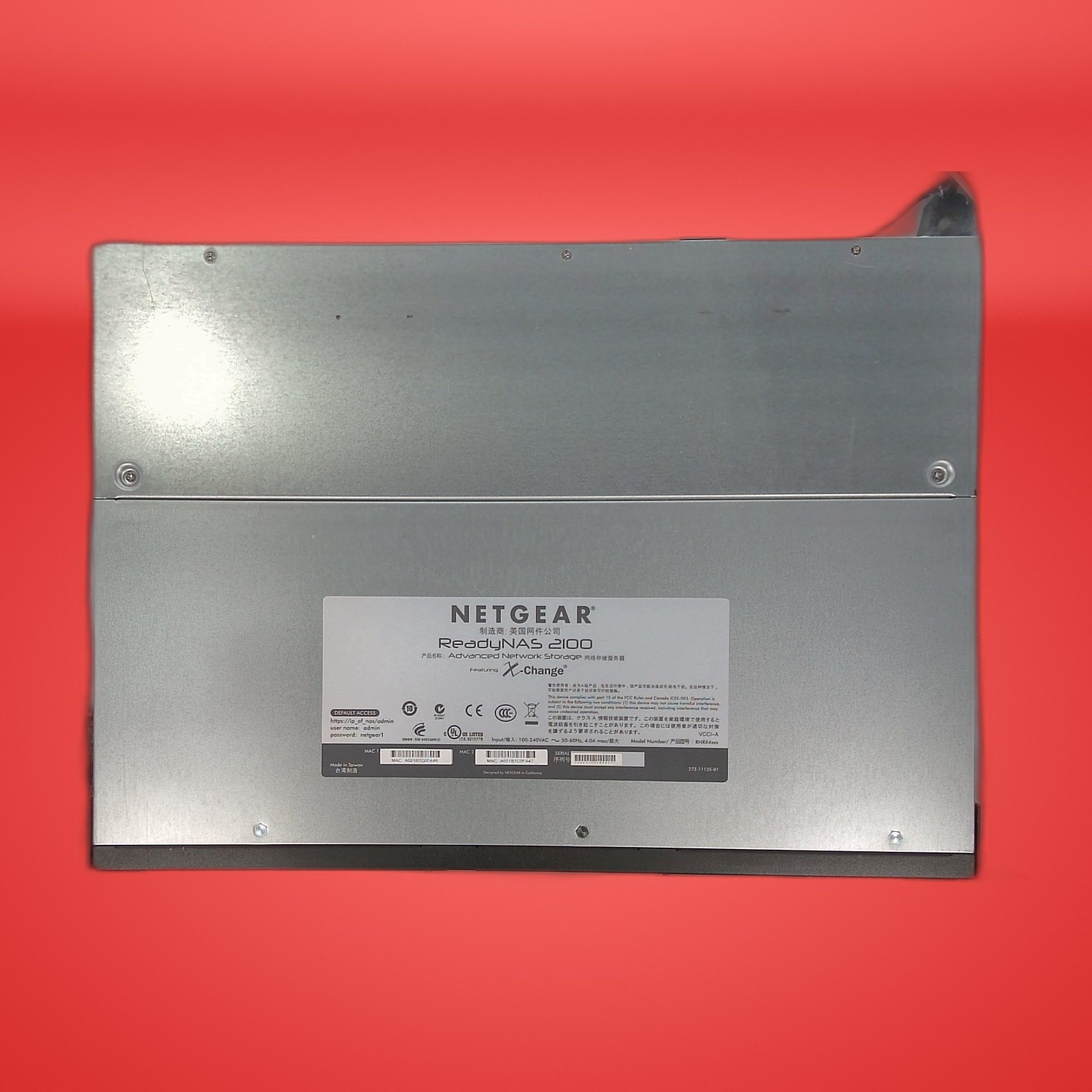
NETGEAR ReadyNAS 202 RN202

NETGEAR wins for shoppers seeking the lower listed price or the specifically named hot-swappable drive-bay feature. At $71.00, the RN202 sits at the low end of this matchup, and its description also names two Gigabit Ethernet ports. The limitation is its two-bay layout for anyone whose plan specifically calls for four bays. Pick NETGEAR when the RN202 model, hot swap, and a compact drive-count brief are the priorities.
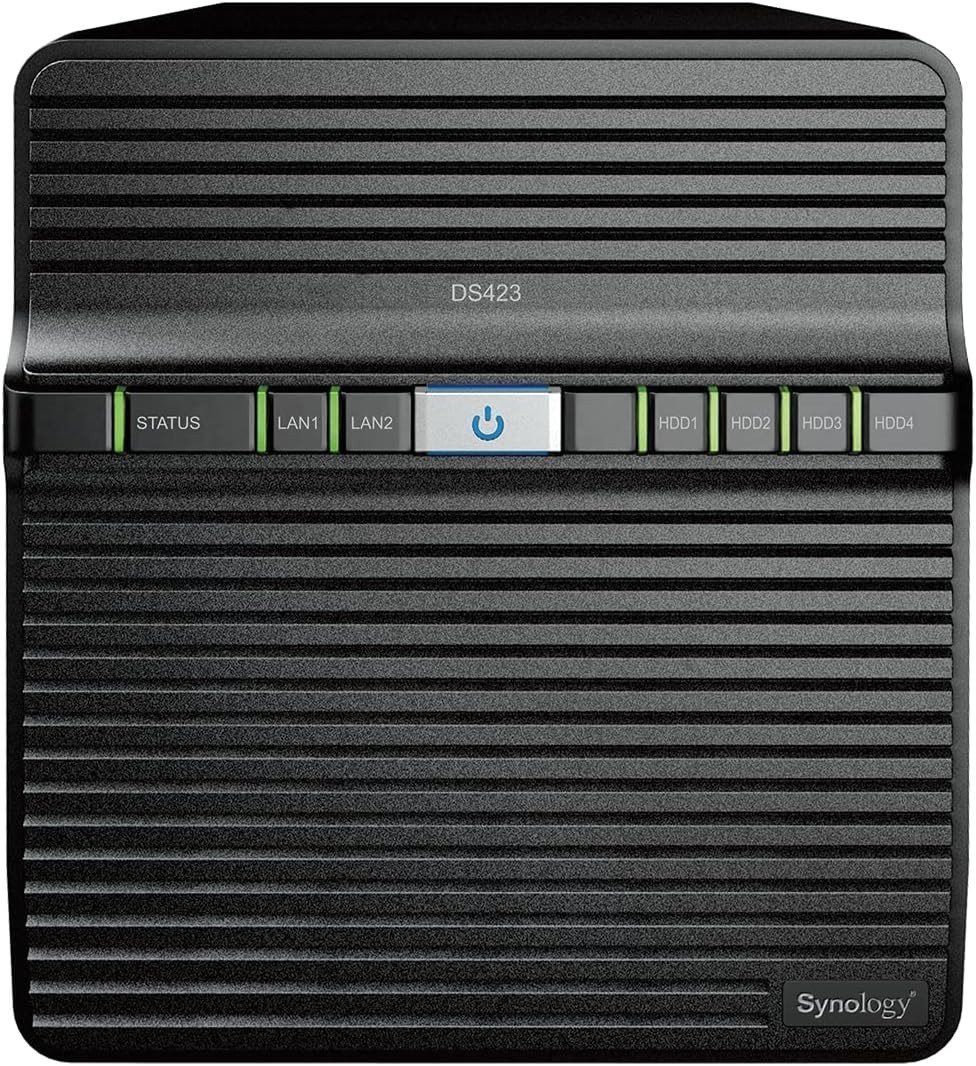
Synology DS423

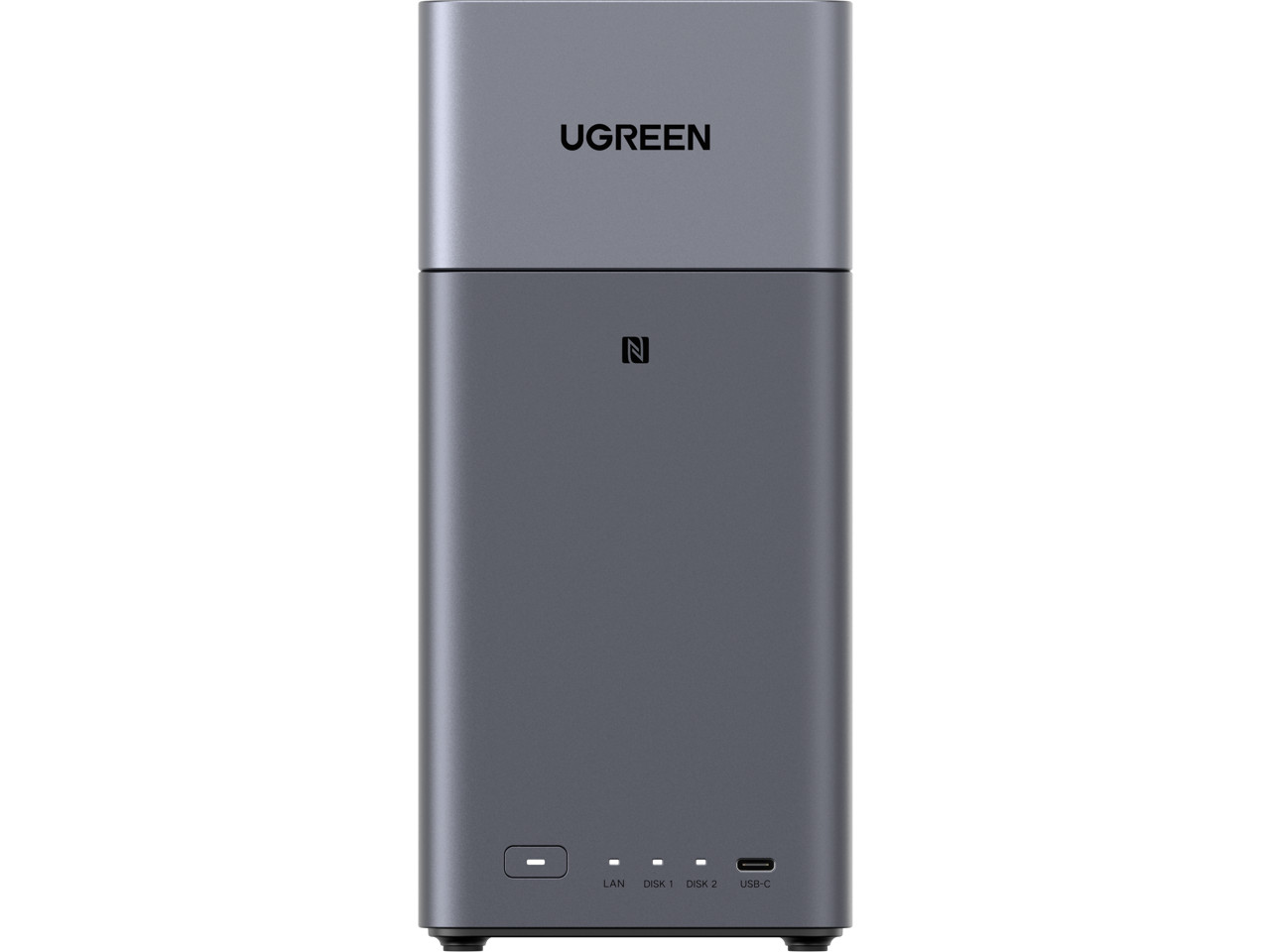
Synology wins for shoppers whose NAS brief specifically calls for four bays and support for 2.5- and 3.5-inch SATA HDD/SSD drives. The DS423 also lists two Gigabit Ethernet ports, so connectivity is not a differentiator in this comparison. Its limitation is the much higher $374.99 price point, along with the diskless enclosure format, which leaves the storage-drive portion of the setup separate. Choose it when the four-bay and stated drive-format requirements justify that different starting point.
Product notes
NETGEAR ReadyNAS 202
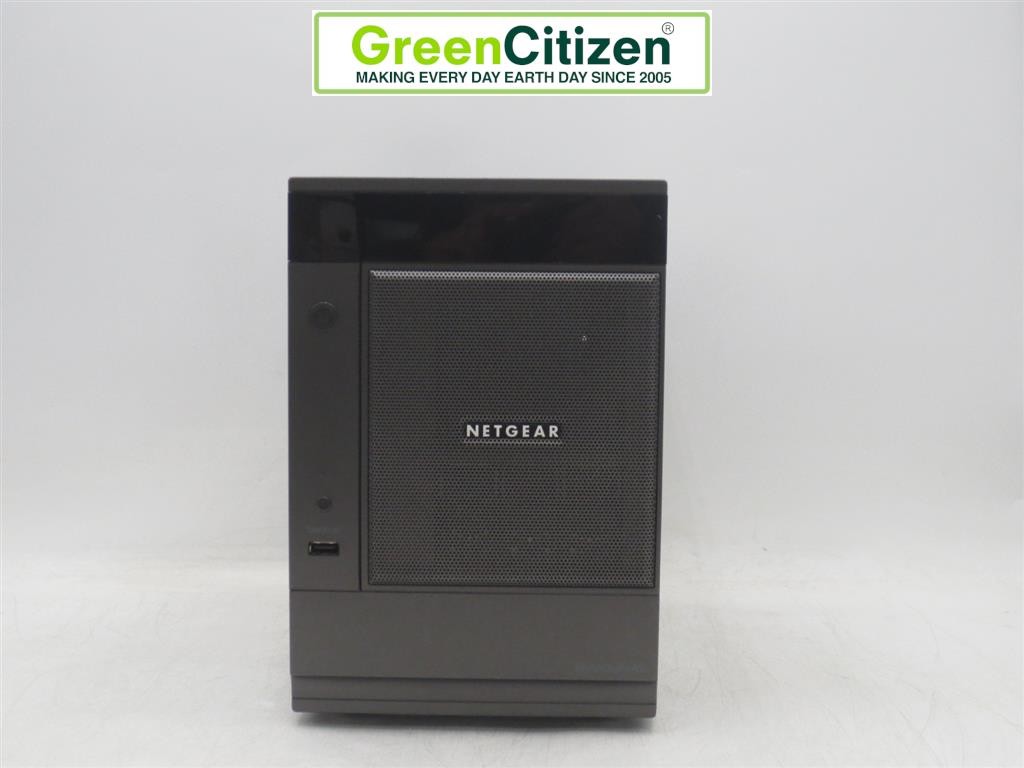
The NETGEAR ReadyNAS 202 RN202 is a direct fit for shoppers who want the named RN202 model and its stated hardware profile. The description identifies a 1.4 GHz dual-core ARM Cortex-A15 processor and 2GB RAM, while hot-swappable drive bays provide a concrete reason to choose it for a compact network-attached-storage setup. The limitation is condition: the unit is Used, a different starting point from the Synology's New condition. The RN202 also offers Gigabit Ethernet, but that is not a reason to choose it over the Synology, which lists two Gigabit Ethernet ports as well. Choose NETGEAR when the model, hot-swap feature, and two-bay brief fit the plan.
Synology DS423
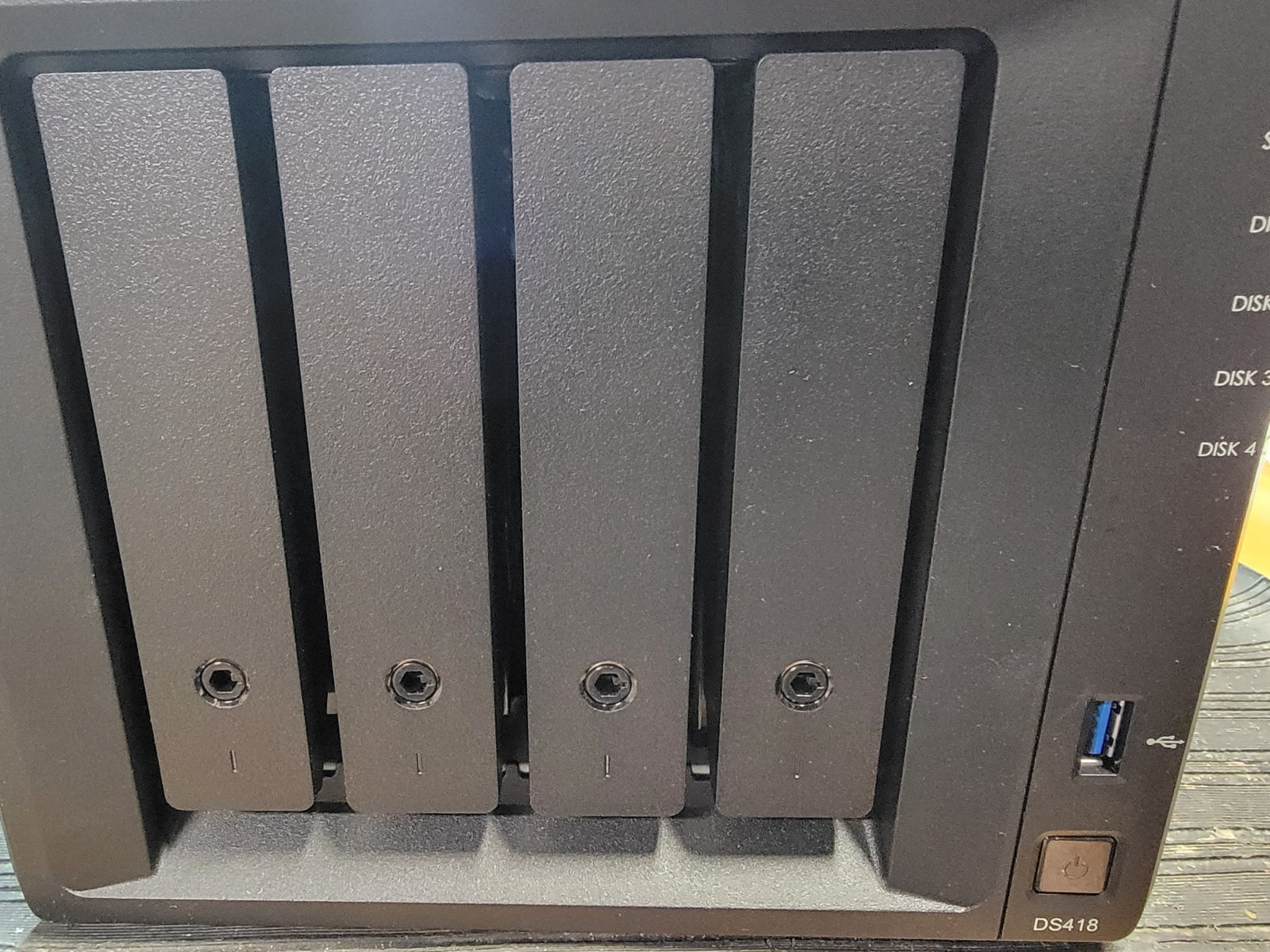
The Synology DS423 suits shoppers whose build starts with a four-bay enclosure and the stated 2.5- and 3.5-inch SATA HDD/SSD formats. Its title identifies it as New and Sealed, a concrete reason to choose it when condition matters. The DS423 also specifies 2GB of DDR4 RAM and two Gigabit Ethernet ports, giving the enclosure a clearly defined hardware profile. The limitation is the diskless format: drives are not included in the enclosure, so the storage setup requires a separate drive step. At $374.99, it also occupies a much higher price point than the RN202. Choose Synology when the DS423 model, New condition, and drive-format brief fit the plan; choose NETGEAR when the higher outlay is not justified by those requirements.
Final choice by use case
Choose the NETGEAR ReadyNAS 202 when your use case is a two-bay RN202 enclosure with hot-swap capability and a lower entry price. Choose the Synology DS423 when your use case calls for four bays, 2.5- or 3.5-inch SATA HDD/SSD support, and a New, Sealed diskless enclosure. The former is the direct fit for a compact NAS brief; the latter is the match for a four-bay drive-format brief. That distinction-not the brand name alone-should settle this head-to-head.