Choosing NAS storage & drives for a home network means balancing expansion room against a newer, simpler enclosure. The QNAP TS-809 Pro has a higher listed bay count and an installed SSD, but it is used and does not include a power cord. The 2-Bay Network Attached Storage NAS Enclosure is new, white, Android-compatible, and built around private-cloud and home-monitoring use, but it is diskless. The right choice depends on whether your priority is the storage configuration or the home-focused feature set.
Quick verdict
Choose the QNAP TS-809 Pro Turbo NAS if the higher listed bay count, installed SSD, and lower price matter most. Choose the 2-Bay Network Attached Storage NAS Enclosure if you want a new, diskless enclosure with Android compatibility and a private-cloud use case. They are different approaches to network attached storage rather than identical configurations.
At a glance
| Decision point | QNAP TS-809 Pro | 2-Bay NAS Enclosure |
|---|---|---|
| Listed price | USD 297.49 | USD 346.97 |
| Condition | Used | New |
| Listed format | 8-bay desktop external HDD | 2-bay tabletop enclosure |
| Drive configuration | Installed 128GB SSD in bay 1 | Diskless |
The absolute price spread is $49.48, with the QNAP at the lower listed price. That difference is meaningful, but it should be weighed against the condition and included configuration of each enclosure.
Where the QNAP TS-809 Pro wins
- Higher listed bay count: Eight bays provide more listed drive positions than the other enclosure's two, which is the clearest reason to favor it for a larger expansion plan.
- Lower entry price: The $49.48 spread makes the QNAP the less expensive choice in this comparison.
- Defined starting configuration: An installed SSD and updated firmware give the unit a concrete setup detail rather than a purely empty enclosure.
Where the 2-Bay NAS Enclosure wins
- New condition: It is marked New, unlike the QNAP's Used condition.
- Android compatibility: Android is explicitly included among its compatible platforms.
- Home-focused features: Its stated uses include private-cloud access, 24/7 home monitoring, and connections with multiple IP cameras. It also specifies quiet, low-power operation.
Product notes
QNAP TS-809 Pro Turbo NAS
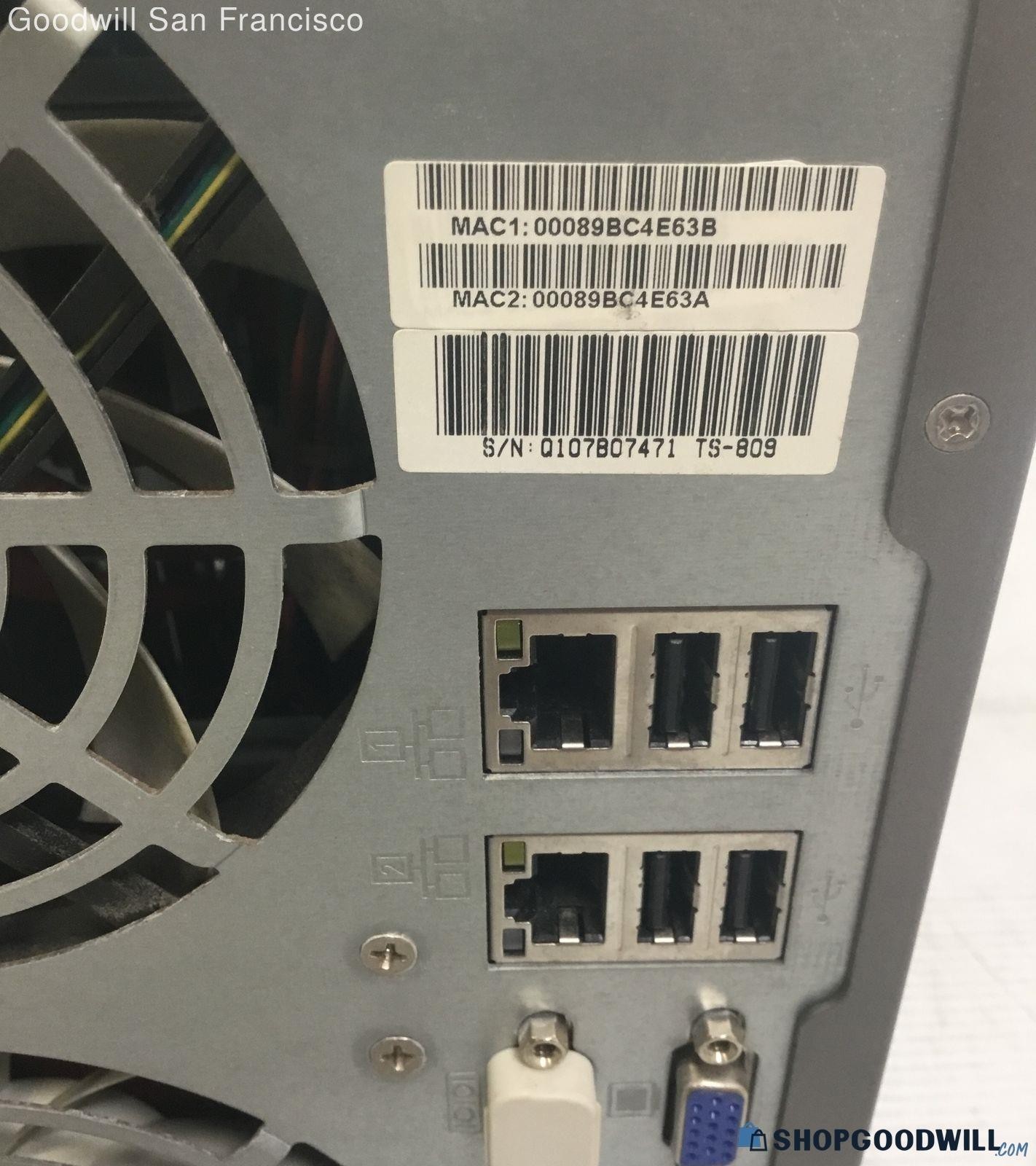
The QNAP TS-809 Pro Turbo NAS makes sense when an included storage component and a defined starting configuration are important. The description specifies a 128GB SSD installed in bay 1 and updated firmware, while the title identifies the unit as an iSCSI target server as well as a Turbo NAS. Those details give shoppers specific reasons to consider it for an existing network-storage setup. The limitation is equally concrete: the unit is marked Used and does not include a power cord. The required cord is described as a standard desktop PC type, so that extra setup detail should be part of the buying decision. This is the better fit for shoppers comfortable with its condition and cord requirement.
2-Bay Network Attached Storage NAS Enclosure
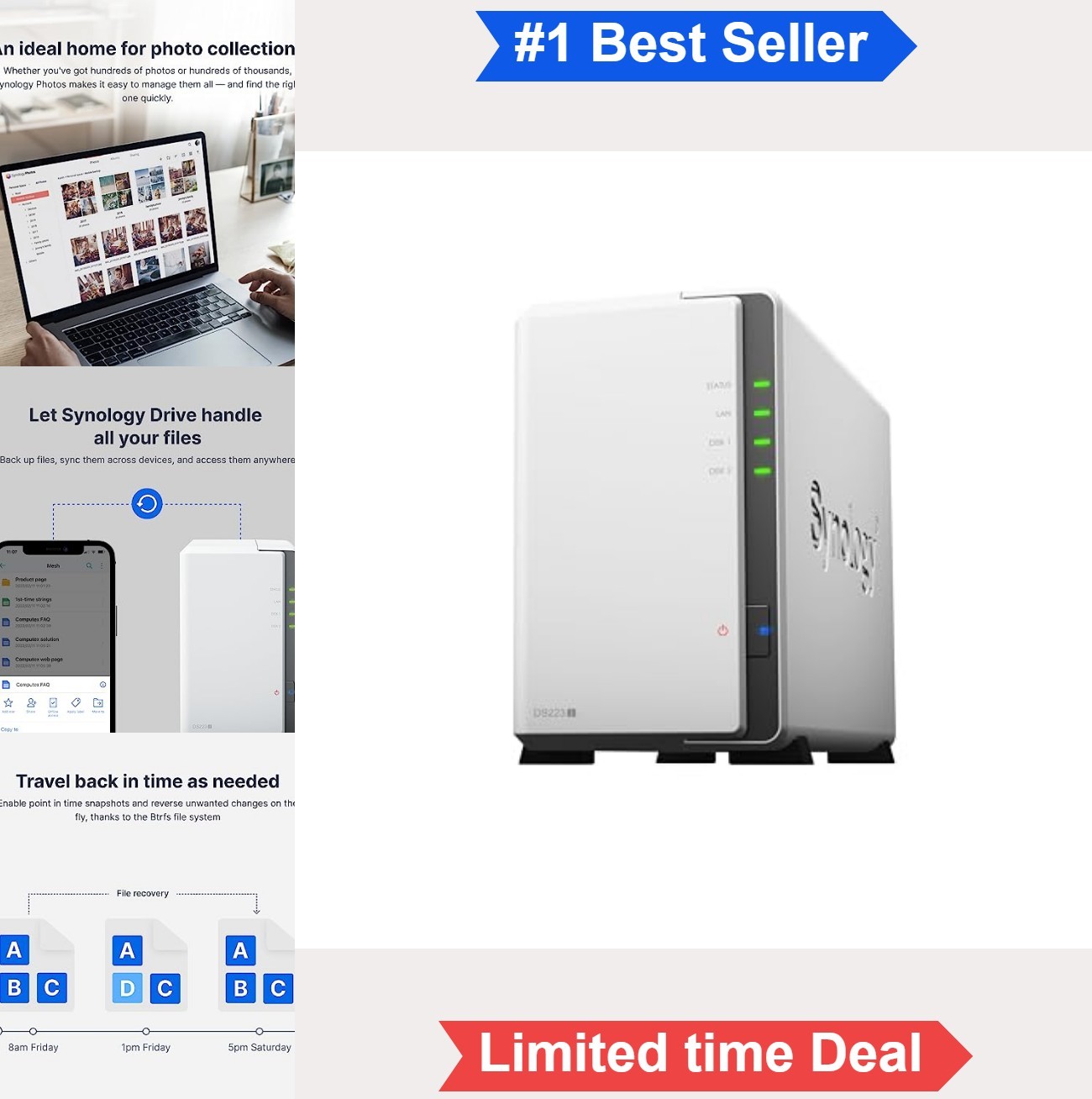
The 2-Bay Network Attached Storage NAS Enclosure is aimed at a new home setup where private-cloud access matters. It is a white tabletop enclosure compatible with Android, and it supports access from desktop, laptop, Mac, PC, and mobile devices. That combination suits a household using several device types. The stated home-monitoring use case, including connections with multiple IP cameras, adds another practical reason to choose it. The main limitation is that the enclosure is diskless, so drives are not included in the storage configuration. Its listed build uses plastic and tempered glass, which is also relevant when comparing enclosure materials. Choose it for its new condition and home-cloud features, not for an included drive setup.
Final choice by use case
- Choose the QNAP TS-809 Pro for an expansion-focused network storage setup, especially if the installed SSD and lower listed price offset the Used condition and missing power cord.
- Choose the 2-Bay NAS Enclosure for a new home-cloud setup centered on Android access, private files, and IP-camera monitoring, provided you are prepared to add drives.
The QNAP is the more configuration-focused choice, while the 2-Bay enclosure is the clearer match for a new, home-oriented NAS enclosure.