Choosing between used NAS storage & drives means balancing enclosure format, included hardware, and price. If a lower-price network-attached storage unit is the priority, the NETGEAR ReadyNAS is the more direct route. If a 2U rackmount form or named remote-access and cache features matter more, the QNAP TS-809U deserves closer attention. The $140.76 listed-price spread puts the format and package contents at the center of the decision.
Quick verdict
NETGEAR ReadyNAS is the clearer choice when a six-bay network attached storage format and lower listed price fit the plan. QNAP TS-809U is the better match when its explicit eight-bay, 2U rackmount wording is central to the setup. Neither should be approached as a drive-included purchase: NETGEAR excludes cables and hard drives, while QNAP's title excludes HDDs and caddies.
At-a-glance comparison
| Comparison point | NETGEAR ReadyNAS | QNAP TS-809U |
|---|---|---|
| Listed price | USD 129.99 | USD 270.75 |
| Format named | 6-bay network attached storage | 8-bay 2U rackmount NAS storage server |
| Named connections or features | RJ-45, USB-A | Remote access; 1 GB cache |
| Drive or package wording | Cables and hard drives not included | No HDDs; no caddies |
Where each wins
Where NETGEAR wins
NETGEAR's edge is the lower listed price, with clearly named RJ-45 and USB-A connections as useful tie-breakers for a home NAS plan. The six-bay network attached storage wording also makes its intended format straightforward. Pick it when those enclosure details fit and a 2U rackmount form is not required. The compromises are concrete: cables and hard drives are excluded, and scratches and scrapes around the body are mentioned. That makes the NETGEAR ReadyNAS a price-first choice for shoppers who are comfortable planning the rest of the setup separately.
Where QNAP wins
QNAP's advantage is the explicitly stated 2U rackmount form. Remote access and a 1 GB cache are also named, giving the TS-809U specific configuration points for shoppers who want those attributes represented. The package limitation is equally clear: no HDDs and no caddies are included according to the product title. Choose QNAP when the rack-oriented format or those named features matter more than the lower listed price. The 1 GB figure is a specification to compare, not a reason to assume faster performance.
Product notes
NETGEAR ReadyNAS RND-6A RNDU6000-100NAS 6-Bay Network Attached Storage
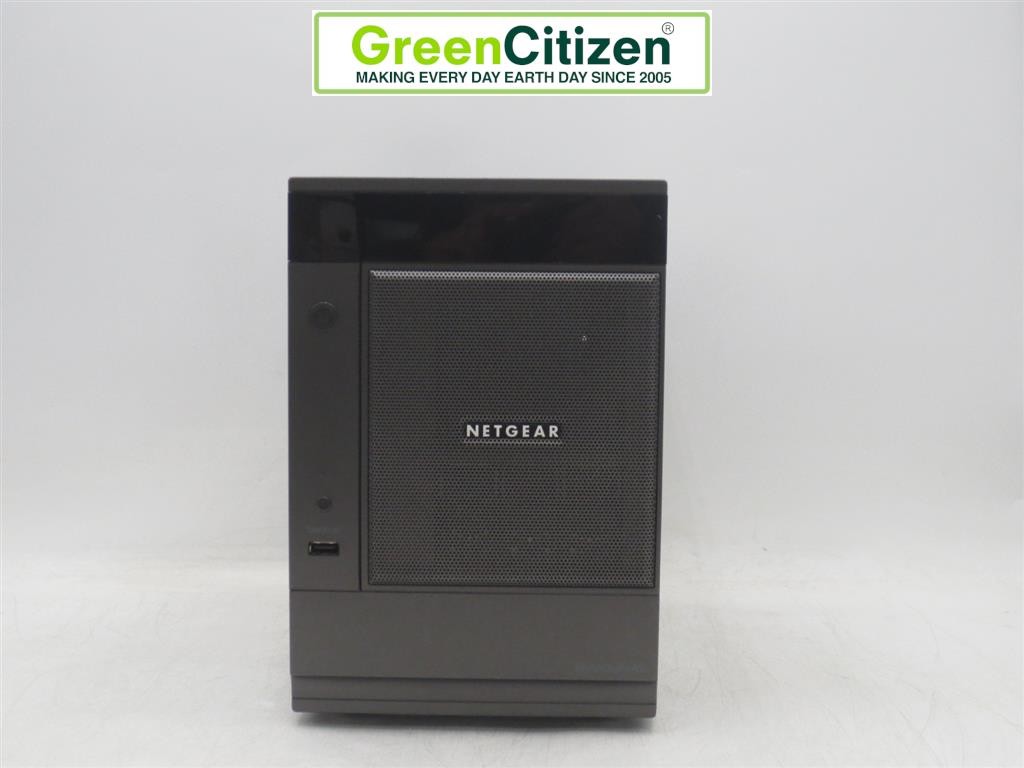
The NETGEAR ReadyNAS makes sense when the goal is a network-attached enclosure with clearly named RJ-45 and USB-A connections. Its functionality is identified as tested and working, giving that detail a concrete place in the decision. The tradeoff is practical: cables and hard drives are not included, so the purchase is not a complete drive bundle. Scratches and scrapes around the body are also mentioned, which matters if cosmetic condition is important. A shopper choosing NETGEAR is choosing the six-bay format while accepting the listed accessory and cosmetic limitations. It is the straightforward pick for a price-first NAS enclosure plan.
QNAP TS-809U 8-Bay 2U Rackmount NAS Storage Server No HDDs No Caddies
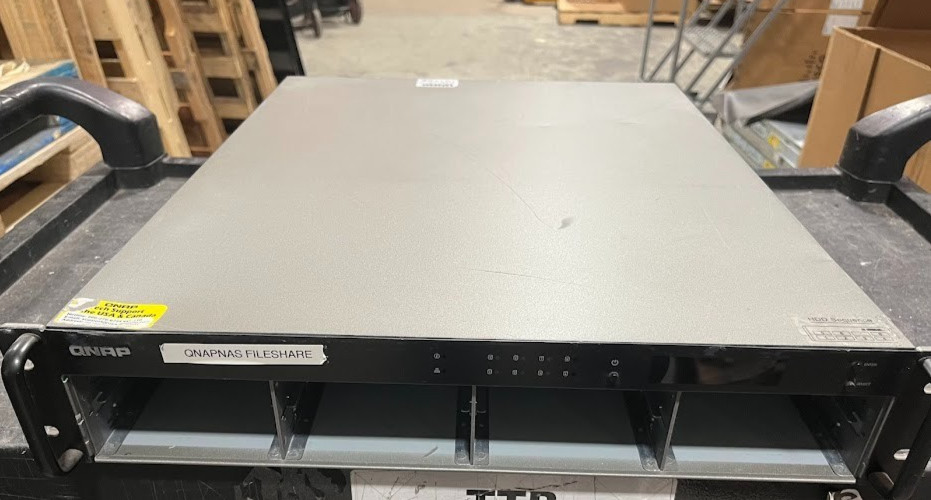
QNAP TS-809U earns consideration from its clearly specified 2U rackmount format and eight-bay wording. Remote access and a 1 GB cache are named as configuration attributes, giving shoppers concrete reasons to focus on this NAS storage server. Its limitation is equally specific: no HDDs and no caddies are part of the stated package. The condition is used, with Grade B stated, so cosmetic expectations belong in the buying decision as well. Choose QNAP when rack-oriented hardware and its named remote-access or cache attributes are worth prioritizing. The cache number should remain a listed specification rather than an automatic performance verdict.
Final choice by use case
- Choose NETGEAR ReadyNAS for: a price-first six-bay network attached storage plan with RJ-45 and USB-A named, provided cables and hard drives are accounted for separately.
- Choose QNAP TS-809U for: a 2U rackmount NAS storage server where the eight-bay wording, remote access, or 1 GB cache is central to the setup.
- Choose by package needs: NETGEAR explicitly excludes cables and hard drives; QNAP's title excludes HDDs and caddies. That difference should guide the final choice as much as the enclosure format.