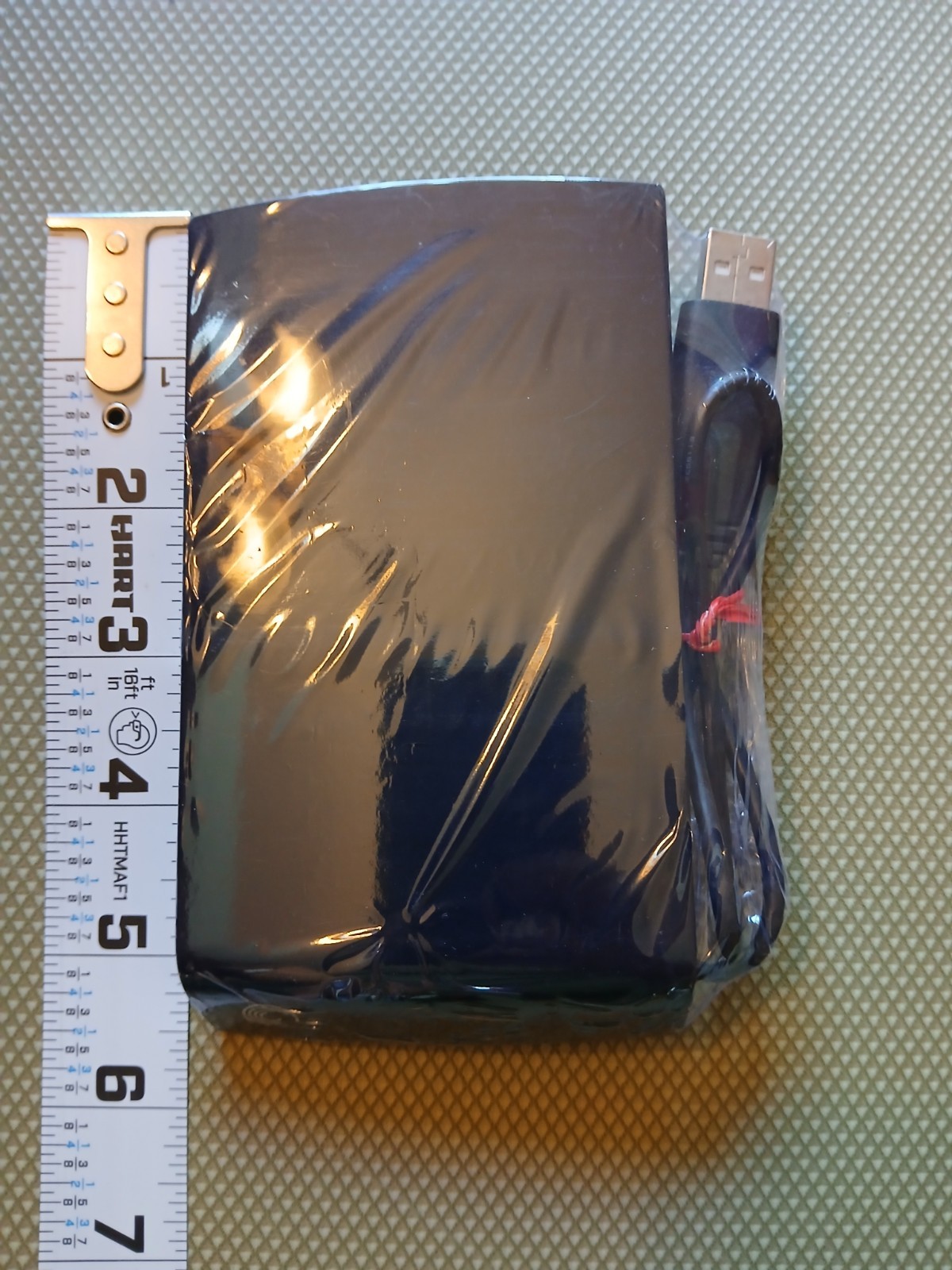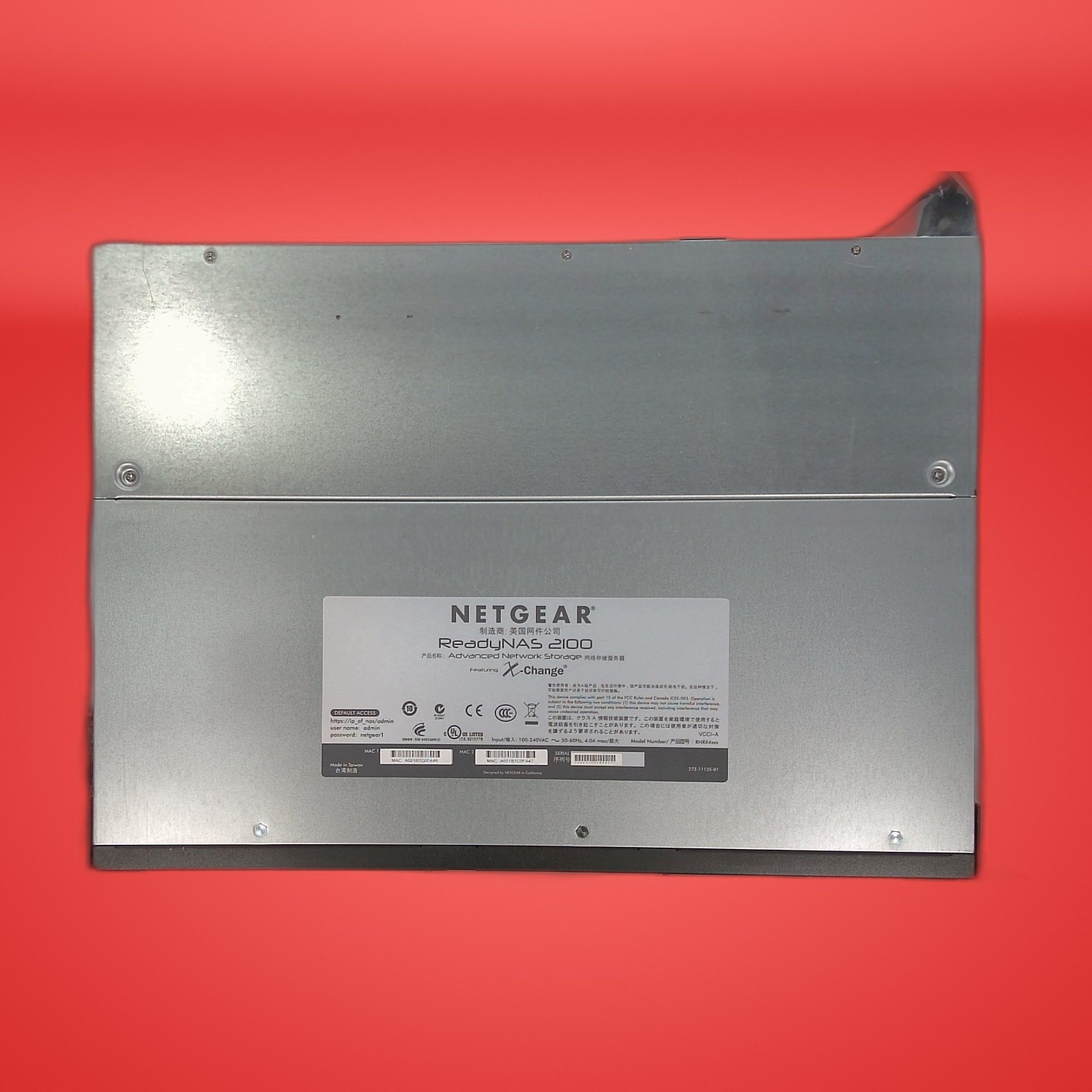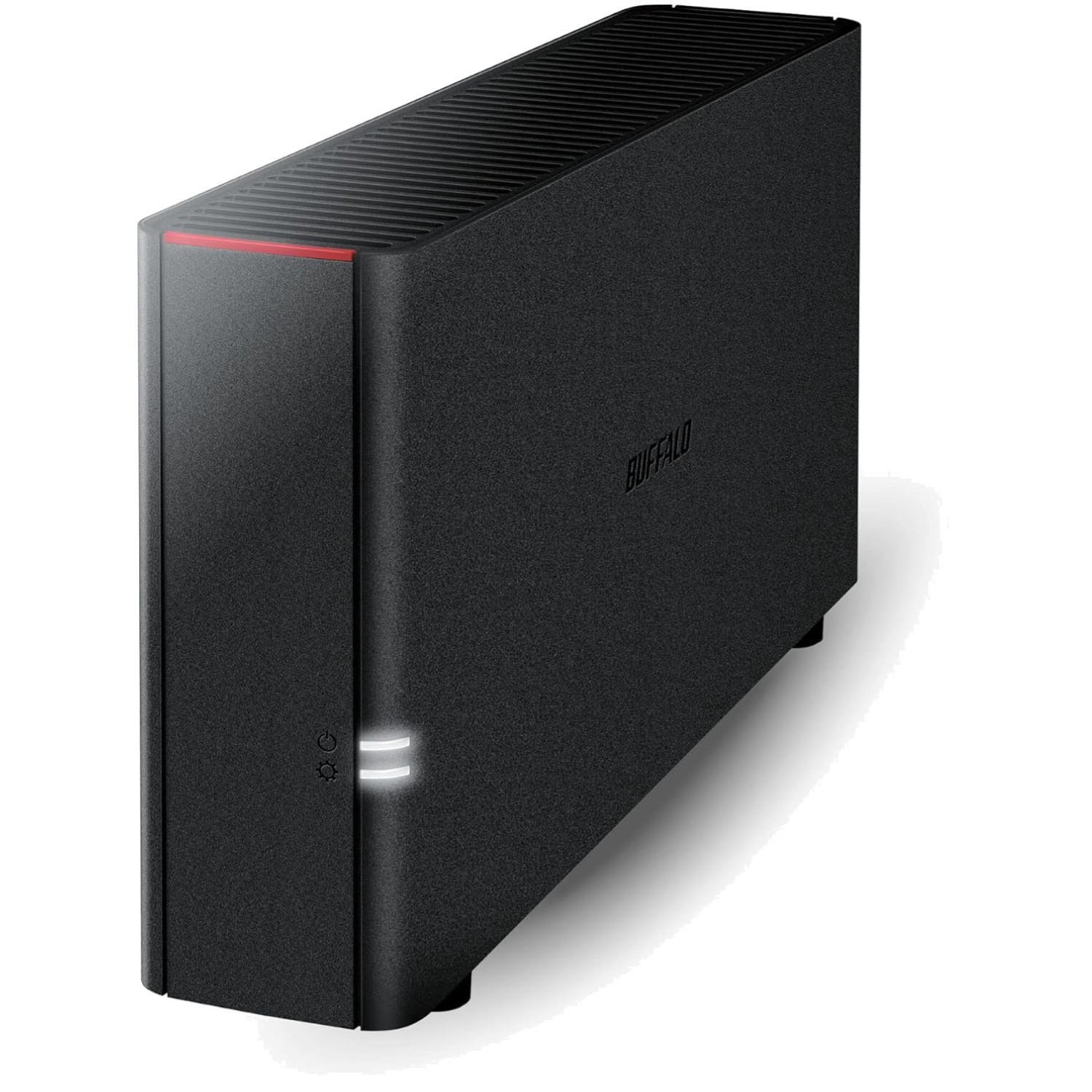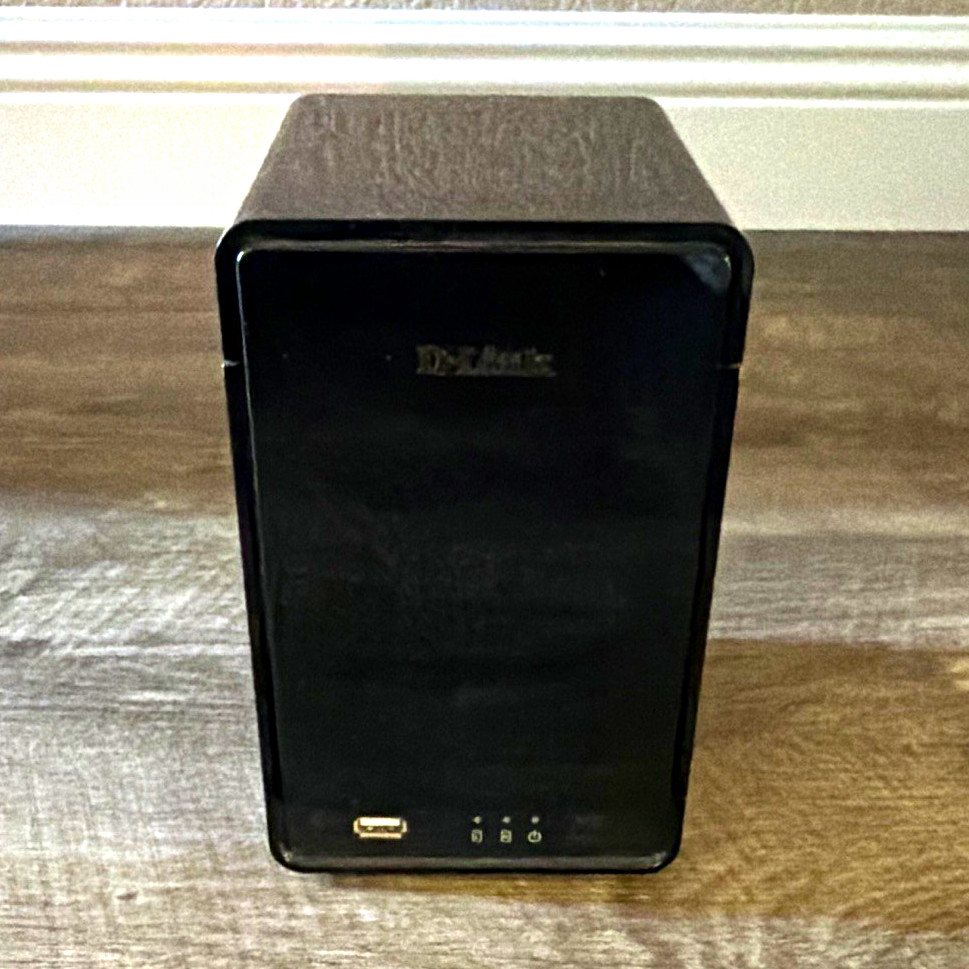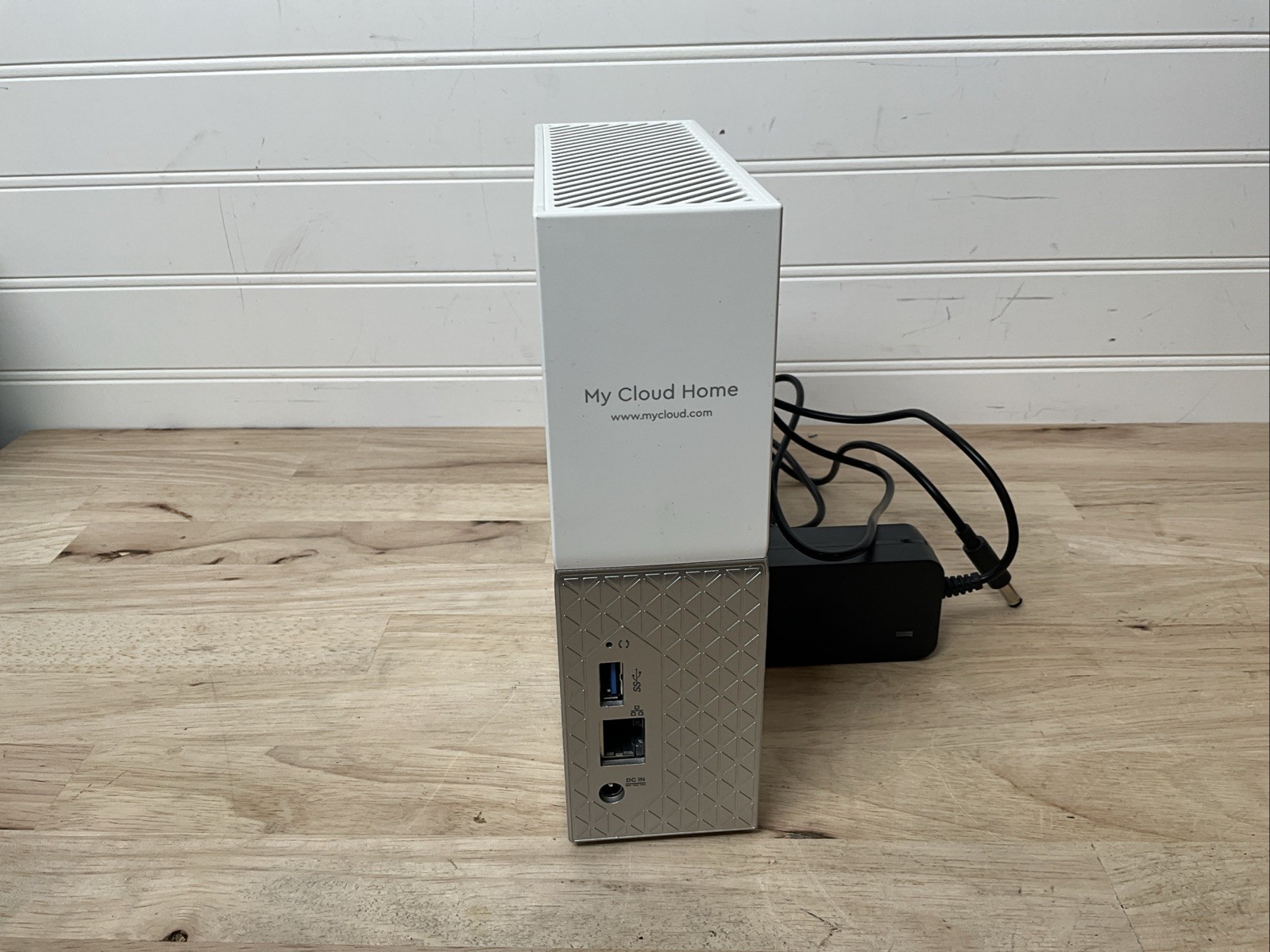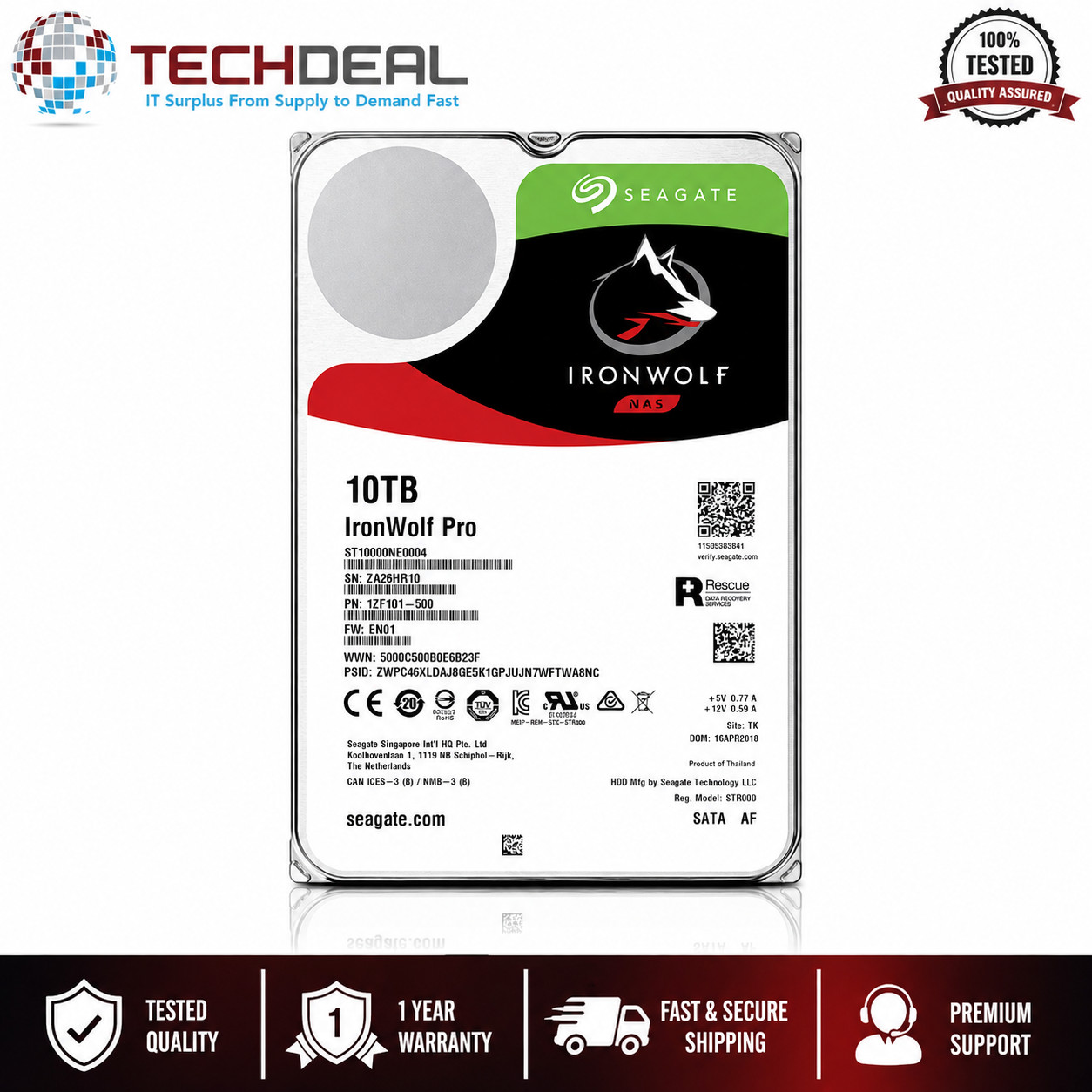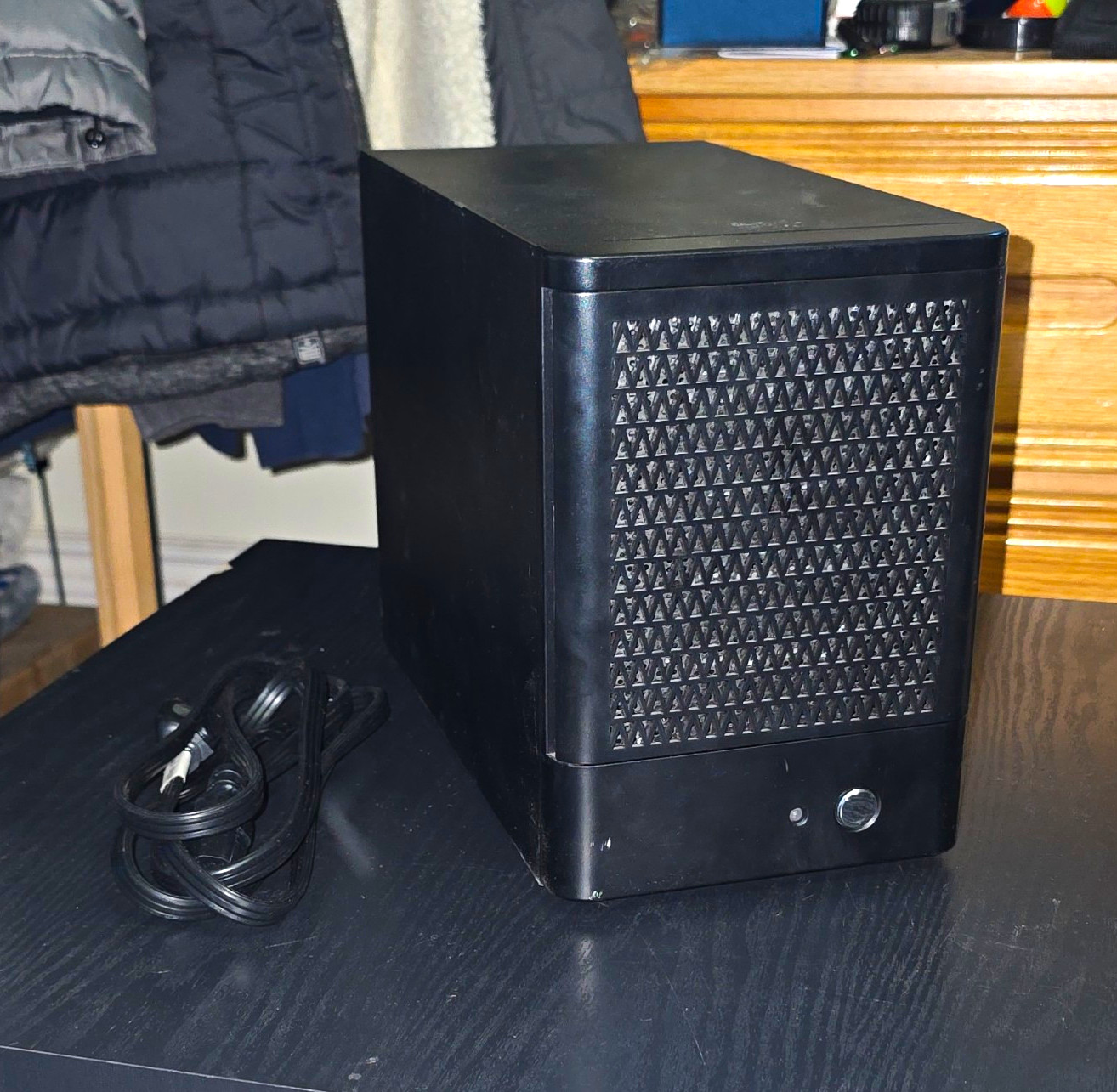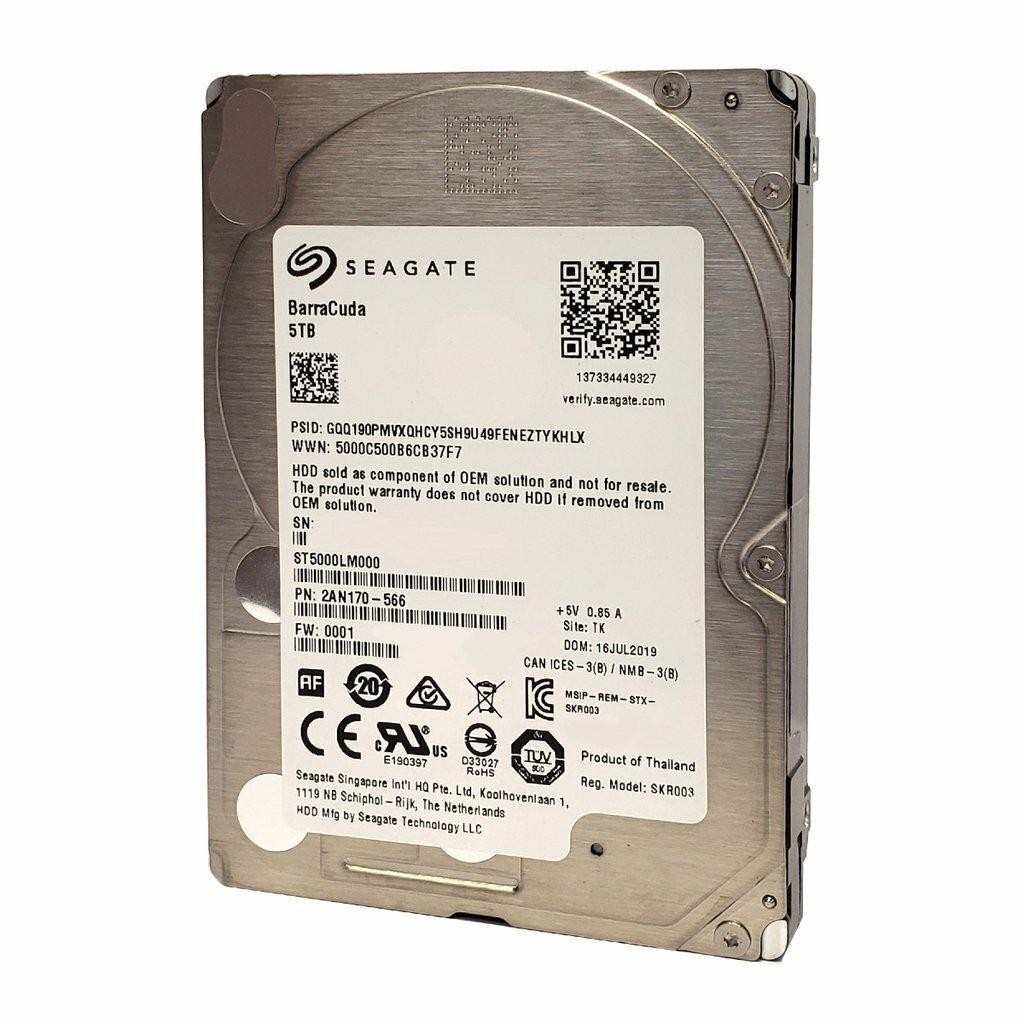
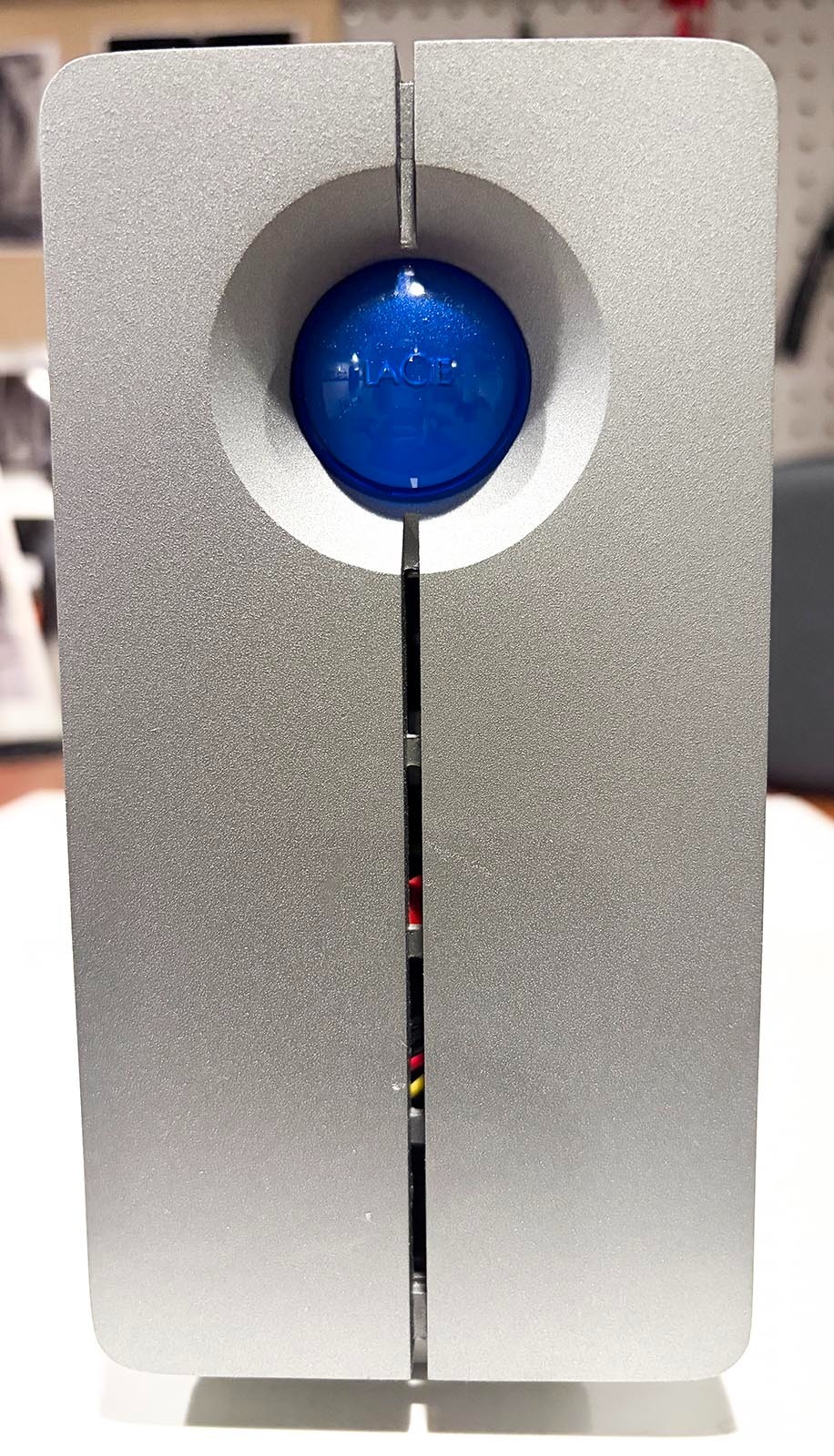
Choosing NAS storage & drives means balancing a lower-priced enclosure against a format that matches your planned drive setup. NETGEAR ReadyNAS 202 RN202 and Synology DS423 take different routes, so the useful question is whether the lower listed price or the enclosure's stated drive and compatibility details matter more. That makes this a practical choice for home NAS buyers who want to spend carefully without overlooking the enclosure's intended role.
Quick verdict
NETGEAR is the clear choice on upfront price: $71 versus $350 for Synology, a $279 spread. Synology becomes the more relevant pick when its enclosure format is the requirement, while NETGEAR makes more sense when the lower entry point is the priority. Compare the amount you want to spend with the drive arrangement and attributes you actually need; the price gap is large enough to make that first filter decisive.
| Product | Listed price | Number of bays | Condition |
|---|---|---|---|
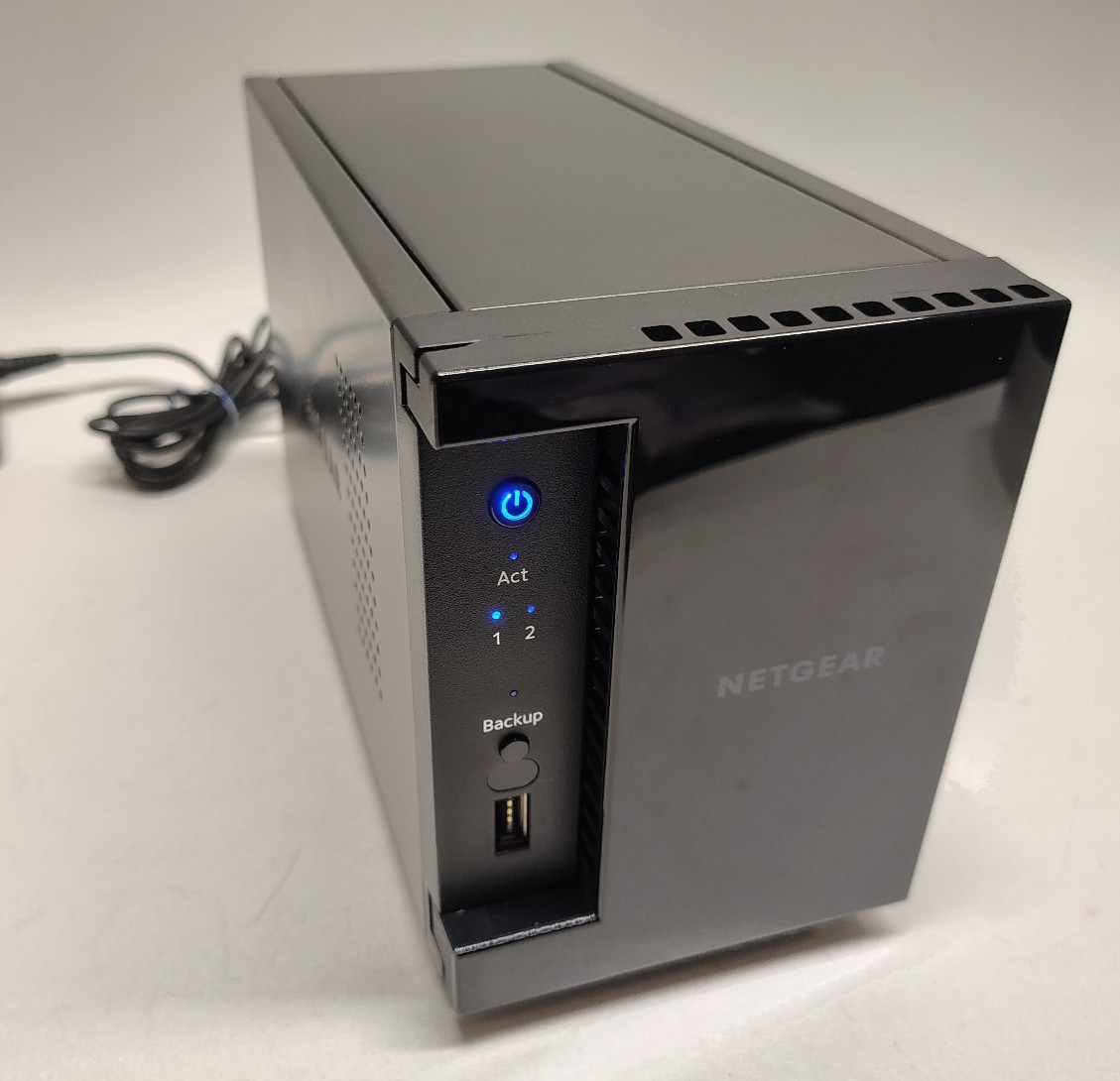
| NETGEAR ReadyNAS 202 RN202 | $71 | 2 | Used |
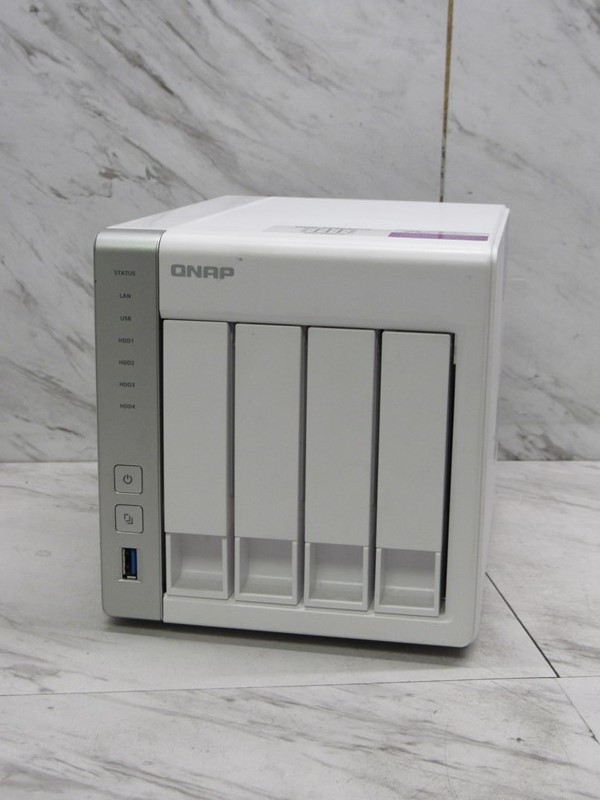
| Synology DS423 | $350 | 4 | Used |
What matters before choosing
Treat the bay count as a planning detail, not as a claim that storage is included. The RN202 description supplies a specific hardware profile, while the DS423 description says no drives are included. Separate the enclosure from the drives you plan to use: a NAS enclosure can be the right match only when its stated attributes align with the project. Both are marked Used in the comparison, so condition is shared rather than a deciding advantage; the meaningful contrast is price, bay layout, and the product-specific features.
Where each product wins
- NETGEAR ReadyNAS 202 RN202: It wins when the Hot Swap feature is central to the plan. That is the clearest reason to choose the RN202 beyond its basic enclosure description, especially for a shopper who wants that drive-bay feature called out directly.
- Synology DS423: It wins when explicit HDD support and PC compatibility are central requirements. Those attributes create a direct fit for a PC-connected NAS plan, without assuming anything beyond the enclosure's stated role.
Product notes
NETGEAR ReadyNAS 202 RN202

The NETGEAR ReadyNAS 202 RN202 suits a shopper who wants a clearly specified hardware profile. Its description names a 1.4 GHz dual-core ARM Cortex-A15 processor, 2 GB RAM, USB 3.0, and two Gigabit Ethernet ports, giving the enclosure concrete hardware and connection details to weigh. The limitation is that accessories not pictured are not included, which narrows what arrives with the unit. The description calls it a good working pull, but the accessory language still matters for planning. Choose the RN202 when those stated hardware details and the RN202 title fit the setup better than the Synology DS423's enclosure brief.
Synology DS423

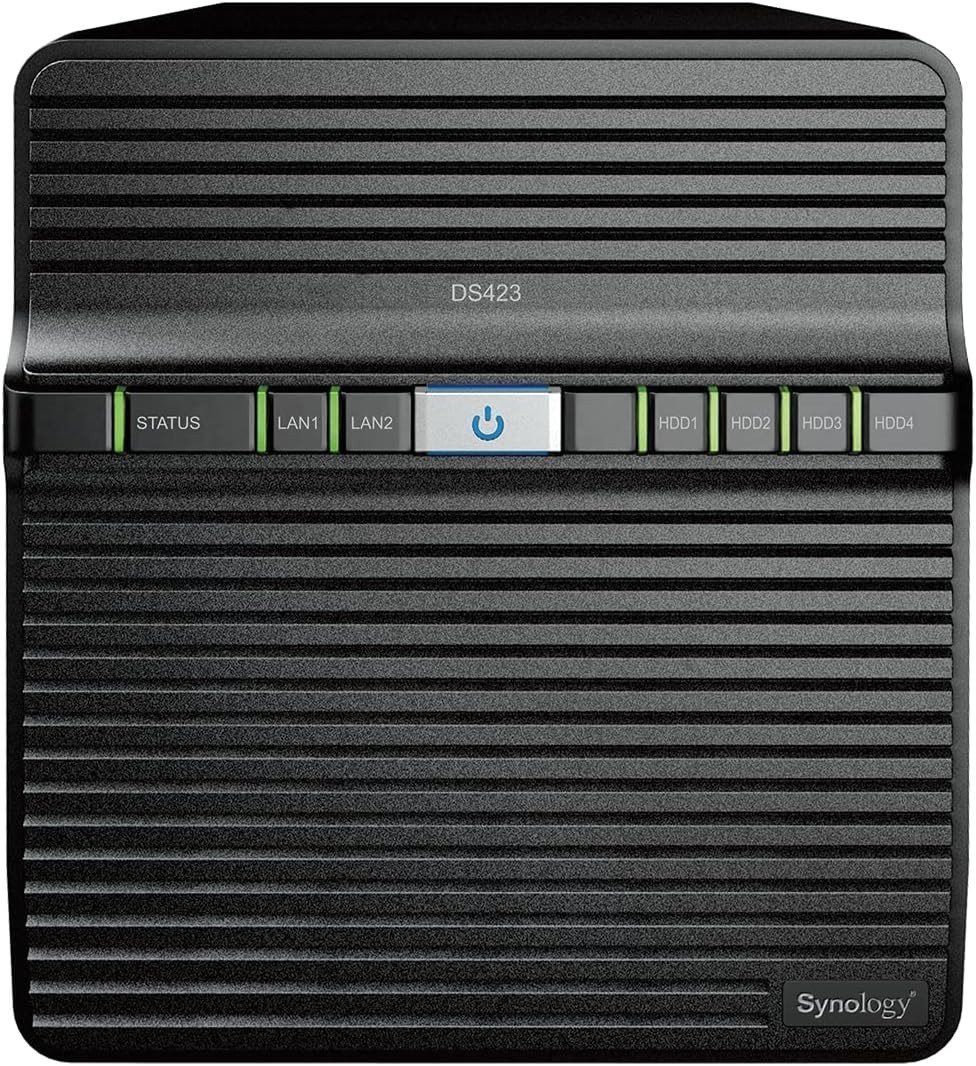
Synology DS423 suits a shopper who wants a unit described as fully functional and is prepared to obtain drives separately. The description says no drives are included, so the enclosure is not a populated storage package. That is the key limitation for anyone expecting storage to arrive inside the chassis. It also says small imperfections such as scratches may be present, another practical consideration for handling expectations. The title identifies a Network Attached Storage Enclosure, keeping the product's role clear without promising a complete server setup. Choose DS423 when the fully functional description and enclosure role match the project; the no-drives detail should shape the purchase plan.
Final choice by use case
Choose NETGEAR ReadyNAS 202 RN202 for a plan centered on Hot Swap and the RN202's specified hardware profile, including its Gigabit Ethernet and USB 3.0 details. Choose Synology DS423 when PC compatibility and explicit HDD support are central, and the enclosure's described role suits the project. If your decision is still close, let the product title's format settle it: the NETGEAR is the 2-Bay NAS, while the Synology is the 4-Bay Network Attached Storage Enclosure.