Choosing NAS storage & drives often comes down to a practical trade-off: do you want a new enclosure with clearly specified hardware, or a lower-priced used unit built around a precise configuration? The Synology DS423 and Qnap TS-451U both target network storage, but their condition, formats, and included hardware details point to different buyers.
Quick verdict
Pick the Synology DS423 if a new four-bay enclosure and its connection details are priorities. Pick the Qnap TS-451U if the $249.99 price and exact 4-LFF configuration matter more, while used condition is acceptable. The price spread is $125: Synology is $374.99 and Qnap is $249.99. Both descriptions indicate that the purchase is focused on the NAS enclosure rather than included hard drives, so plan the storage side separately.
At a glance
| Product | Price | Key comparison point |
|---|---|---|
| Synology DS423 | USD 374.99 | 4 bays; 2.5 and 3.5 in form factor |
| Qnap TS-451U | USD 249.99 | TS-451U model; 4-LFF configuration |
Where each product wins
Synology DS423 wins for connection and enclosure details
The Synology is the better fit when PC compatibility, a black enclosure, and the stated 2.5- and 3.5-inch form factor line up with your setup. It also specifies two Gigabit Ethernet ports, giving shoppers a concrete connection detail to compare against their network plans. The four-bay design is clearly identified, and the product is described as new. Those details make the DS423 the easier choice for someone who wants a defined enclosure format rather than a particular server model.
Qnap TS-451U wins for a precise hardware match
The Qnap is the direct match for a shopper seeking the TS-451U name and its specified combination of 4-LFF, J1800 2.41GHz CPU, and 1GB RAM. That can matter when an existing setup, replacement plan, or project already calls for those exact identifiers. Its product information also identifies it as a server, helping distinguish its positioning from the Synology enclosure. The trade-off is that the unit is used, so the condition is part of the choice rather than a minor detail.
Product notes
Synology DS423
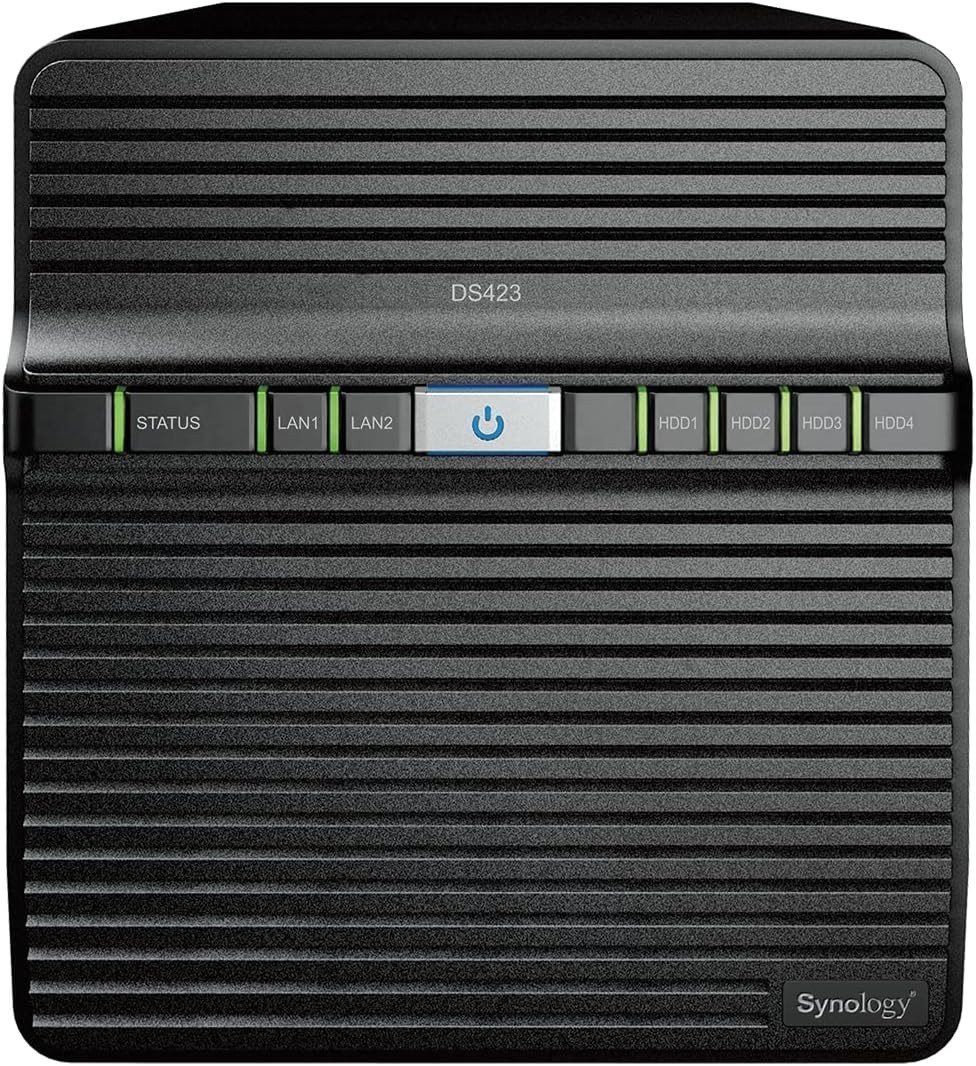
The Synology DS423 is a clear choice for shoppers who want a new four-bay NAS enclosure with a defined hardware package. Its description names a Realtek RTD1619B quad-core processor, 2GB of DDR4 RAM, two Gigabit Ethernet ports, and USB-A 3 connections. The attributes add PC compatibility, a black color, and support for 2.5- and 3.5-inch form factors, giving you several concrete points to match against a home NAS plan. The limitation is that it is described as diskless, so the enclosure purchase does not cover the drives themselves. Its higher price also makes the hardware and enclosure details the main justification for choosing it over Qnap.
Qnap TS-451U
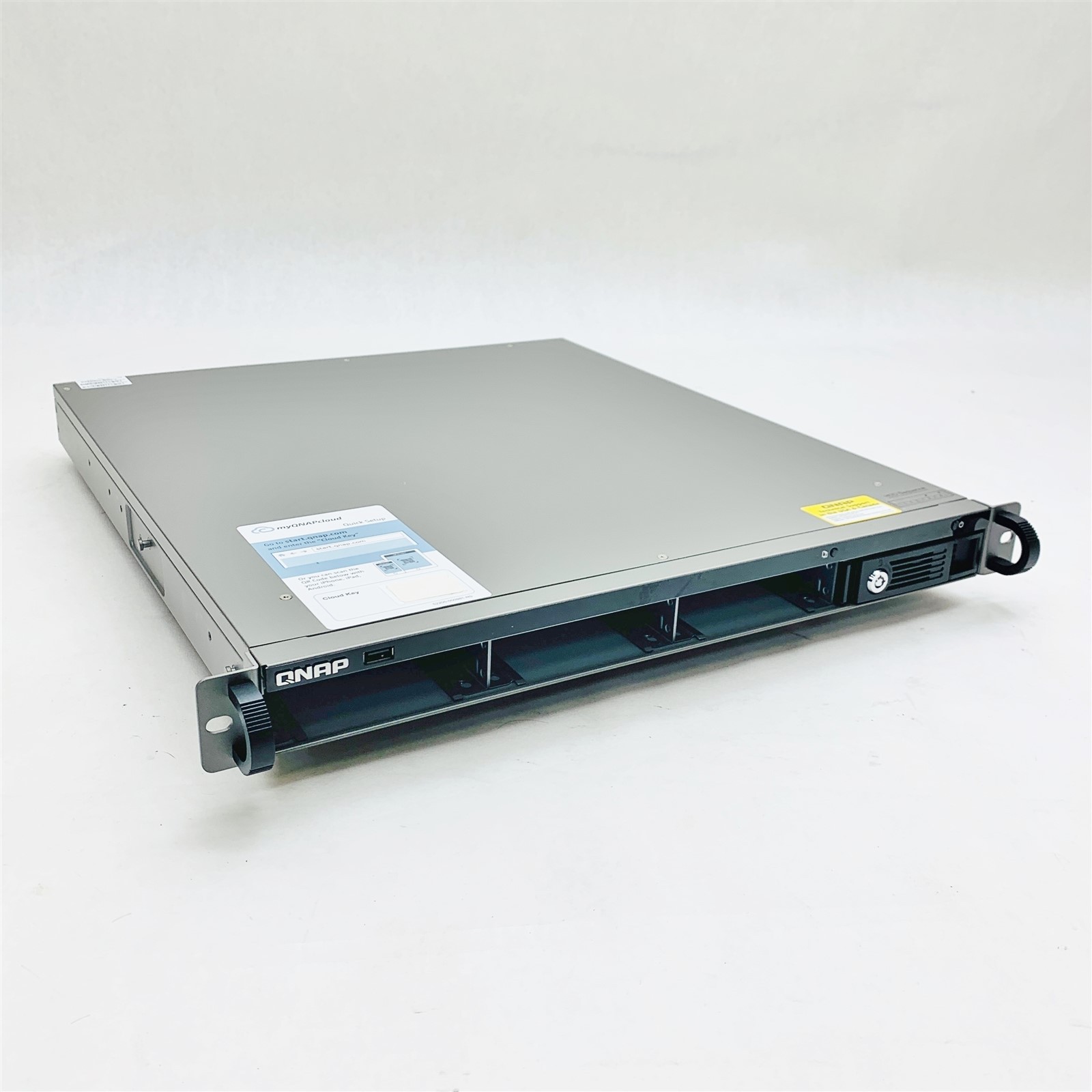
The Qnap TS-451U suits a shopper who already has a specific server configuration in mind. The title identifies 4-LFF, a J1800 2.41GHz CPU, 1GB RAM, and no HDD, while the attributes name the TS-451U model and classify it as a server. That exact combination is the concrete reason to choose it, especially for a project organized around the Qnap model rather than general enclosure features. The limitation is its used condition, and the description explicitly says that no hard drive is included. In other words, the lower purchase price does not turn this into a complete storage setup; the drive selection remains a separate part of the plan.
Final choice by use case
- Choose Synology DS423 for a new four-bay enclosure, PC compatibility, and clearly stated Ethernet and form-factor details.
- Choose Qnap TS-451U when the named TS-451U configuration, 4-LFF format, and J1800-based hardware are the deciding points.
- For a condition-sensitive purchase, Synology is the straightforward match because it is described as new.
- For a project built around a specific server model, Qnap is the more direct match, provided used condition fits your requirements.
There is no single winner here: Synology prioritizes a newer enclosure presentation and broader stated specifications, while Qnap focuses on a defined model configuration at the lower price.