Choosing the right NAS storage & drives setup means deciding whether you want a lower-outlay network storage unit with hot-swap convenience or a rackmount chassis specified without HDDs or caddies. The NETGEAR ReadyNAS 202 and QNAP TS-809U serve those different priorities. The useful decision is not which number sounds larger; it is whether your home NAS plan favors Ethernet connectivity or a 2U rackmount format with remote access. Both are used units, so condition alone does not separate them.
Quick verdict
NETGEAR is the better fit for buyers prioritizing a lower outlay, hot-swappable bays, and Gigabit Ethernet. QNAP is the better fit when a rackmount chassis and remote access are central requirements. The listed-price gap is $199.75: NETGEAR is $71.00, while QNAP is $270.75. That difference makes the chassis format and drive-inclusion wording especially important before choosing.
At-a-glance comparison
| Comparison point | NETGEAR ReadyNAS 202 | QNAP TS-809U |
|---|---|---|
| Listed price | $71.00 | $270.75 |
| Listed format | 2-bay NAS | 8-bay 2U rackmount NAS |
| Condition | Used | Used (Grade B) |
Where each NAS wins
- NETGEAR ReadyNAS 202: The lower-priced route is paired with hot-swappable drive bays and two Gigabit Ethernet ports. Those attributes make it the more direct match for a home setup where network connectivity and straightforward drive access matter.
- QNAP TS-809U: The rackmount design, eight-bay configuration, and remote-access feature give it a clearer fit for shoppers specifically planning around rack equipment or a larger drive-bay layout.
Product notes
NETGEAR ReadyNAS 202
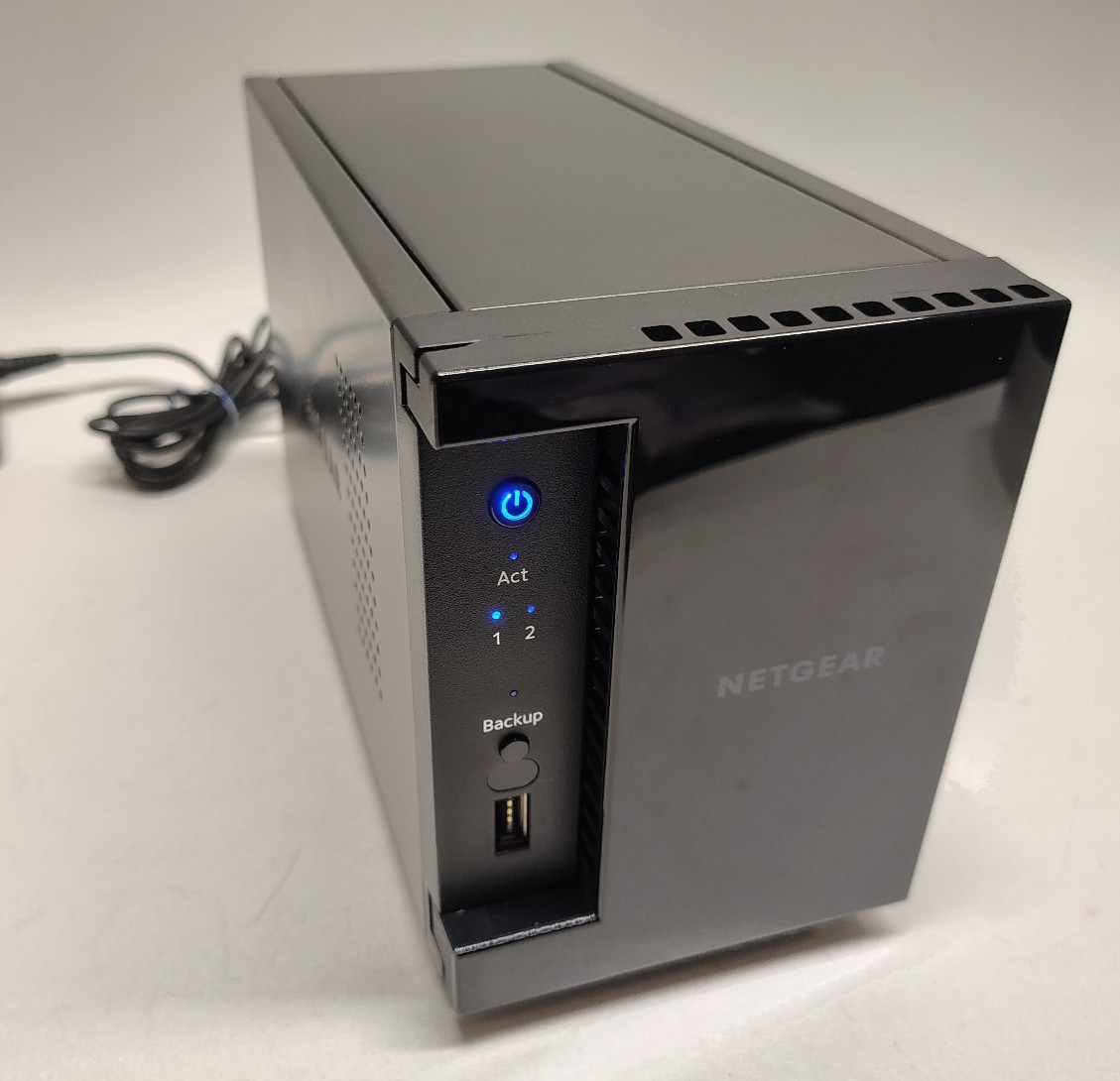
The NETGEAR ReadyNAS 202 fits a shopper who wants a two-bay network-attached storage unit with a clear hardware profile. Hot-swappable drive bays and two Gigabit Ethernet ports are concrete reasons to choose it, while 2 GB RAM and USB 3.0 add useful specifications. Its limitations are equally specific: the condition is used, and accessories not pictured are not included. The two-bay layout is also its main structural constraint, so it is less suitable when the setup depends on a rackmount format or a greater number of drive bays. Choose NETGEAR when hot swap and Ethernet connectivity align with the plan; its smaller bay layout is the trade-off.
QNAP TS-809U
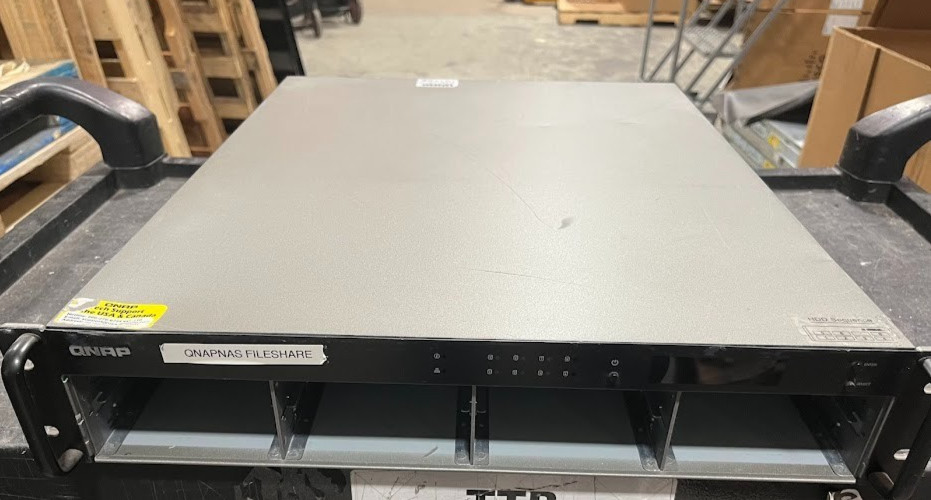
The QNAP TS-809U fits a different requirement: an eight-bay, 2U rackmount NAS storage server. Remote access is a useful feature to weigh, and the 1 GB cache provides another concrete hardware specification. Its main limitation is explicit in the product title: no HDDs and no caddies are included. The unit is also used Grade B, so its condition wording is more specific than NETGEAR's used designation, even though both are used. Choose QNAP when the rackmount form, eight-bay layout, and remote-access feature match the setup. The bay count alone does not establish better performance, so the format should be the deciding reason.
Final choice by use case
- For a home NAS: Choose the NETGEAR ReadyNAS 202 if hot-swappable bays, two Gigabit Ethernet ports, and the lower listed price fit your plan.
- For a rack-based setup: Choose the QNAP TS-809U if the 2U rackmount chassis and remote access matter more than the higher listed price, and you are prepared for the no-HDD, no-caddy configuration.
- When the format is undecided: NETGEAR is the more direct match for a non-rackmount setup, while QNAP earns consideration only when its rackmount design and eight-bay layout are specific requirements.