Choosing NAS storage & drives starts with one practical question: do you want the lower-cost route, or a unit whose format and hardware description point to a different kind of setup? That decision matters before you think about drives, networking, or expansion. Here, the NETGEAR ReadyNAS 202 and Qnap TS-451U sit far apart in price, and their listed form factors are not the same. The useful comparison is to match the named hardware and layout to the role you want, rather than assuming the costlier unit automatically wins.
Quick verdict
At $71.00, the NETGEAR ReadyNAS 202 is $178.99 below the Qnap TS-451U at $249.99. NETGEAR is identified as a 2-bay network attached storage unit, while Qnap is identified with a 4-LFF format. NETGEAR is the more direct choice when the smaller initial commitment is the priority. Qnap makes more sense when the 4-LFF format is the requirement and its higher price is acceptable for that specific direction.
At a glance
| Product | Listed price | Format | Notable detail |
|---|---|---|---|
| NETGEAR ReadyNAS 202 RN202 | $71.00 | 2-bay network attached storage | 2GB RAM |
| Qnap TS-451U | $249.99 | 4-LFF network attached storage | No hard drive included |
Where each wins
NETGEAR ReadyNAS 202 RN202
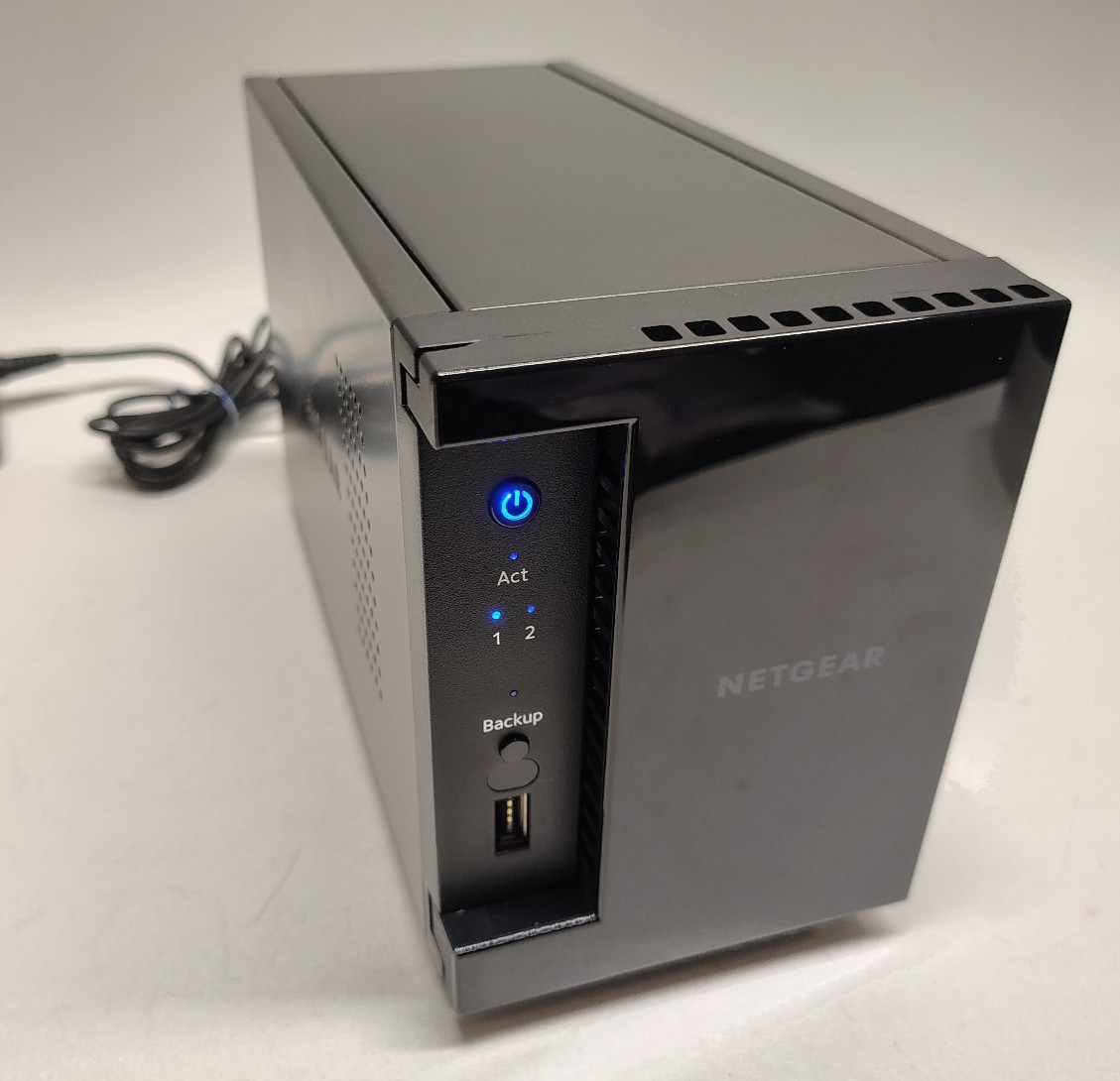
NETGEAR wins when the connection side is the priority. It specifies two Gigabit Ethernet ports and USB 3.0, letting shoppers compare those interfaces directly with the intended home network arrangement. The 1.4GHz dual-core ARM Cortex-A15 processor is also clearly identified, although that number should be treated as a specification to match rather than proof of superior performance. This is the better-defined path for someone who wants the network and expansion connections spelled out before choosing drives.
Qnap TS-451U
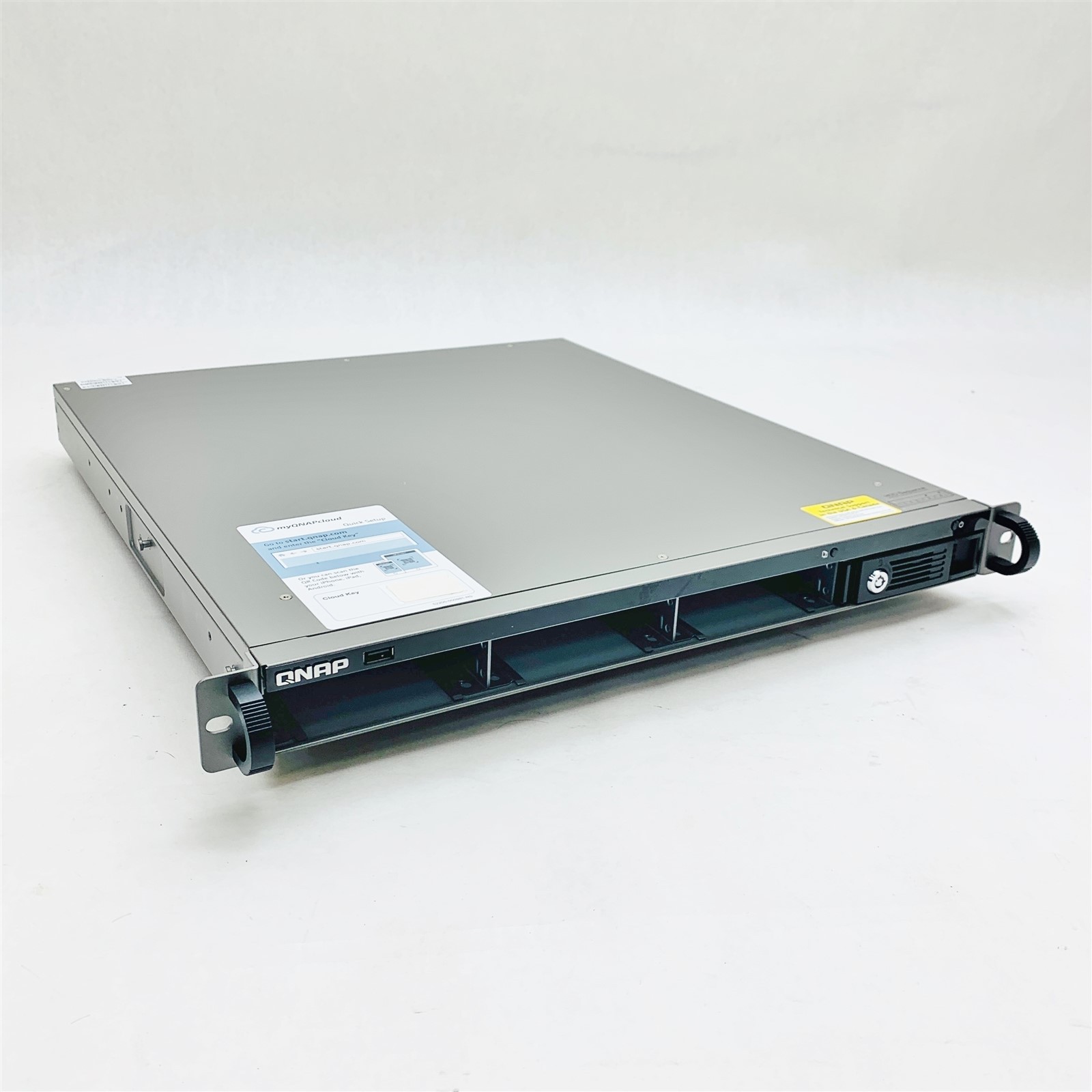
Qnap wins when a server-designated unit is what you are shopping for. The TS-451U model name gives the choice a precise target, while the J1800 processor and 1GB RAM provide a clearly described hardware configuration. Those figures do not establish an automatic performance winner, but they do help a shopper compare the unit with a planned role. Qnap is therefore the more deliberate choice when its server identity matters more than keeping the purchase simple.
Product notes
NETGEAR ReadyNAS 202 RN202
The NETGEAR ReadyNAS 202 RN202 is a sensible match for shoppers who want hot-swappable drive bays named as part of the feature set. Its details also specify a black finish, 2GB RAM, and a 1.4GHz dual-core ARM Cortex-A15 processor, giving the unit a concrete hardware profile to compare with a planned home NAS role. The limitation is the used condition, which will not suit someone specifically seeking a new unit. The processor figures are useful for matching specifications, not proof of a performance winner. Choose NETGEAR when hot-swap handling is useful and the stated hardware fits; a used unit is the clear drawback for shoppers seeking something new.
Qnap TS-451U
Qnap TS-451U suits shoppers who want a clearly identified hardware configuration: the title names a J1800 2.41GHz CPU, 1GB RAM, and the TS-451U model. Those numbers are specifications to match to a planned role, not evidence that Qnap is automatically faster or better. The concrete limitation is explicit: no hard drive is included, so the unit is not a drive-filled package. It is also marked used, a consideration for anyone seeking a new unit. Choose Qnap when that named configuration fits the setup; the extra outlay is harder to justify if a basic NAS enclosure meets the need.
Final choice by use case
- Choose NETGEAR ReadyNAS 202 RN202 for a home NAS where hot-swap handling and clearly named network interfaces matter. Its lower listed price also makes the decision more straightforward for a cost-led setup.
- Choose Qnap TS-451U when a server-designated unit and its named J1800 and 1GB configuration match the intended role. The model's specific hardware description is the main reason to select it.
The practical split is simple: NETGEAR is the feature-led home NAS choice, while Qnap is the role-led choice. Neither CPU figures nor RAM amounts establish a universal winner, so choose the unit whose stated layout and hardware align with the job.