Choosing nas storage & drives comes down to a practical trade-off: a lower listed price and clearly named hot-swap capability, or a four-bay personal-cloud format that requires additional hardware. The NETGEAR ReadyNAS 202 RN202 is the two-bay choice, while the Qnap TS-431P2 is the four-bay alternative. The right pick depends on how many drive positions you need and whether supplying a power adapter and drives is acceptable.
Quick verdict
NETGEAR is the clearer match for a price-led two-bay setup. It is listed at USD 71.00 and names hot-swappable drive bays, 2 GB RAM, and two Gigabit Ethernet ports. Qnap is aimed at shoppers who specifically want a four-bay personal-cloud NAS and four included caddies, with the important proviso that the power adapter and drives are not included. The listed prices are USD 71.00 and USD 169.95, creating a USD 98.95 spread.
At-a-glance comparison
| Comparison point | NETGEAR ReadyNAS 202 RN202 | Qnap TS-431P2 |
|---|---|---|
| Listed price | USD 71.00 | USD 169.95 |
| Listed condition | Used | Used |
| Format | 2-bay NAS | 4-bay personal-cloud NAS |
| Notable detail | Hot-swappable bays; two Gigabit Ethernet ports; 2 GB RAM | Four caddies included; unit only |
Where each product wins
NETGEAR wins on clearly itemized connectivity. The two Gigabit Ethernet ports and 2 GB RAM give shoppers concrete configuration details to weigh alongside the lower price. The hot-swappable drive-bay feature also makes it the direct match for someone who expects to handle drive changes.
Qnap wins when bay layout is the priority. Its four-bay personal-cloud format and four included caddies are the defining reasons to choose it. That advantage is about the physical arrangement and included caddies, not a claim about performance. Both units are listed as used, so condition does not separate them.
Product notes
NETGEAR ReadyNAS 202 RN202
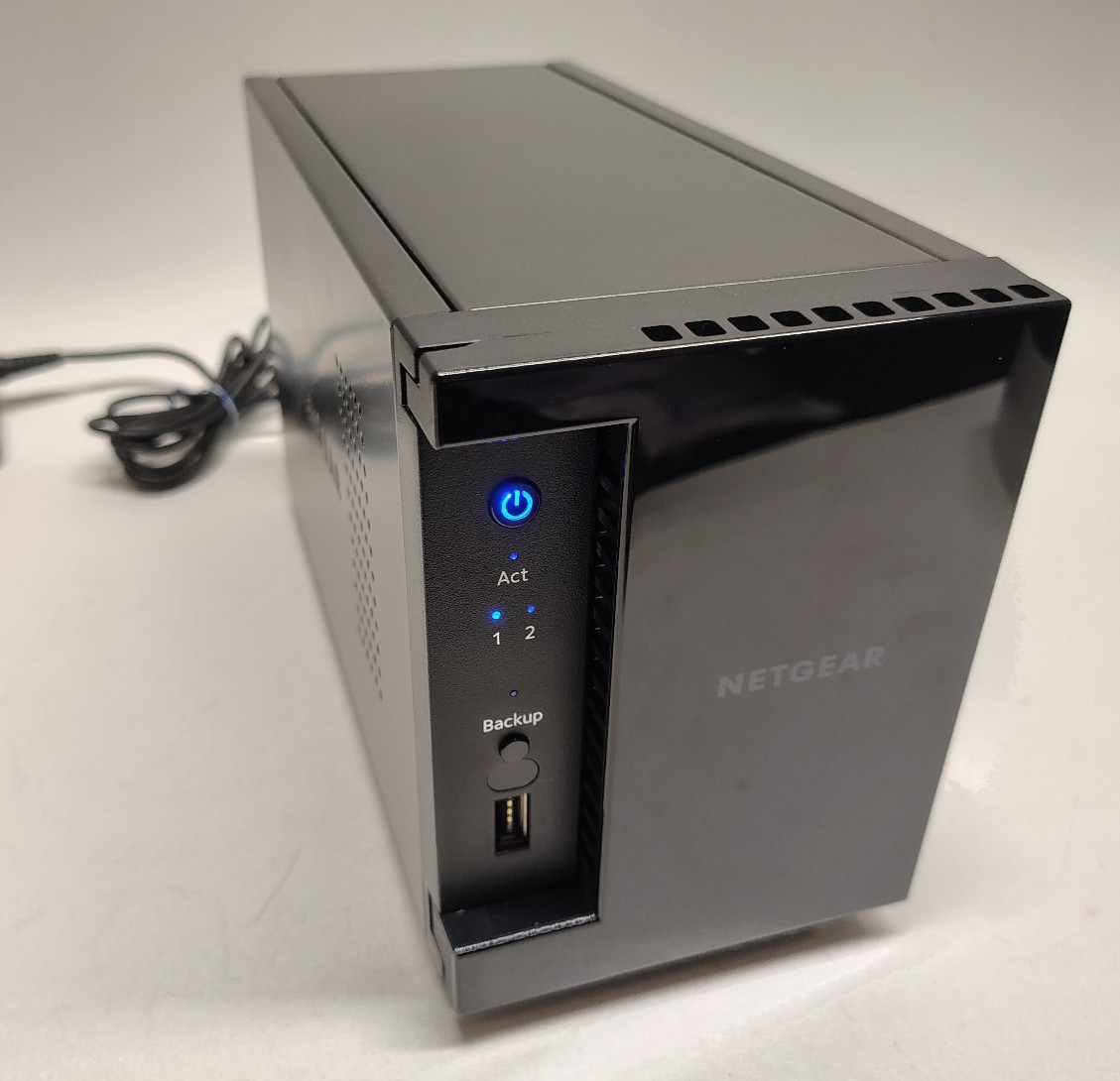
A concrete reason to choose the NETGEAR ReadyNAS 202 RN202 is its two-bay design paired with explicitly named hot-swappable drive bays. The listed interface is Gigabit Ethernet with two ports, and the unit has 2 GB RAM, giving a shopper several specific setup details to consider. The limitation is equally clear: it is used, and accessories not pictured are not included. That matters if your setup depends on more than the pictured unit. Choose the ReadyNAS 202 RN202 when the lower listed price, two-bay format, and hot-swap feature align with your plan. Its two drive positions are the trade-off against Qnap's four-bay design.
Qnap TS-431P2
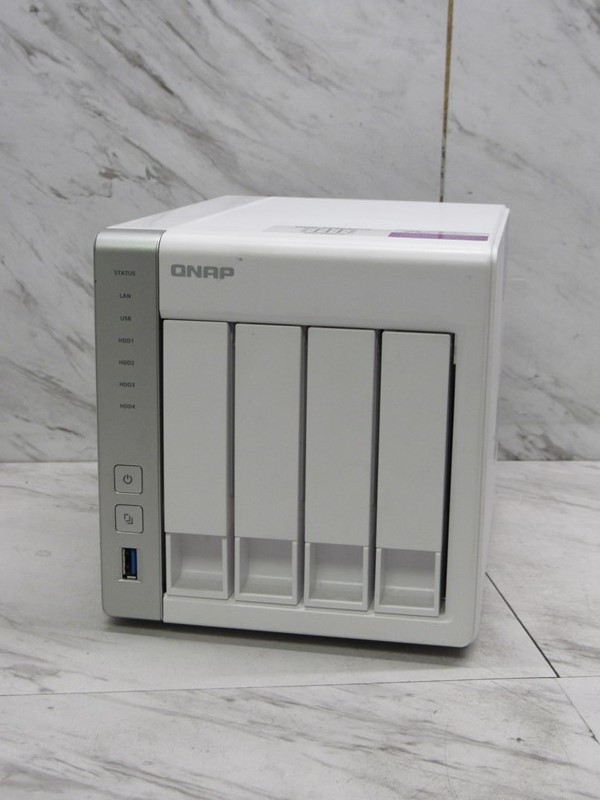
The Qnap TS-431P2 has a direct use case for shoppers seeking the four-bay personal-cloud format named in its title, and four caddies are included. That stated arrangement suits someone who wants the Qnap's larger bay layout rather than a two-bay NAS. The limitation is practical and specific: the unit comes without a power adapter or drives. It is also listed as used. Qnap therefore makes sense when the four-bay format and included caddies take precedence over the lower listed price, and when you can supply the missing essentials. If avoiding separate adapter and drive purchases is important, those exclusions make the choice less convenient.
Final choice by use case
Choose the NETGEAR ReadyNAS 202 RN202 for a two-bay NAS when the lower listed price and hot-swappable drive bays are the deciding points. Choose the Qnap TS-431P2 when four bays and the personal-cloud format are central to your setup. In short, NETGEAR is the price-led choice with more clearly listed connectivity details, while Qnap is the bay-layout choice for shoppers who can account for its excluded power adapter and drives.