Choosing gear for homelab networking & firewalls can come down to a practical fork: do you need a switch that can connect and power more equipment, or a simpler wired expansion at a lower listed price? NETGEAR GS308EP and TP-Link TL-SG105 both use unmanaged, plug-and-play designs, so the useful decision is not managed feature depth. It is whether PoE+ and extra connection capacity justify the higher price, or whether the TP-Link's focused Gigabit setup is enough.
Quick verdict
Choose the NETGEAR GS308EP if your setup includes powered endpoints or needs the flexibility of an eight-port switch. Its $49.99 price is $20 above the TP-Link, but PoE+ support is the key differentiator. Choose the TP-Link TL-SG105 when five-port Gigabit Ethernet is enough and the lower $29.99 price matters more. Both are unmanaged, so shoppers specifically seeking a managed network switch or VLAN configuration should not treat either as the managed choice.
At a glance
| Switch | Listed price | Core connection | Key differentiator |
|---|---|---|---|
| NETGEAR GS308EP | $49.99 | 8-port Gigabit Ethernet | PoE+ support; unmanaged |
| TP-Link TL-SG105 | $29.99 | 5-port Gigabit Ethernet | Standalone; unmanaged |
Where each switch wins
- NETGEAR GS308EP wins for powered devices. PoE+ support is the decisive feature, with access points, IP cameras, and VoIP equipment named as examples.
- TP-Link TL-SG105 wins for a basic wired setup with a lower entry price. Its standalone form factor, RJ-45 interface, and Gigabit Ethernet profile keep the use case focused.
- Neither wins on management. Both are unmanaged, so this matchup is about physical connectivity and PoE+, not VLAN administration.
Product notes
NETGEAR GS308EP Essential Series 8-Port Gigabit PoE+ Unmanaged Switch
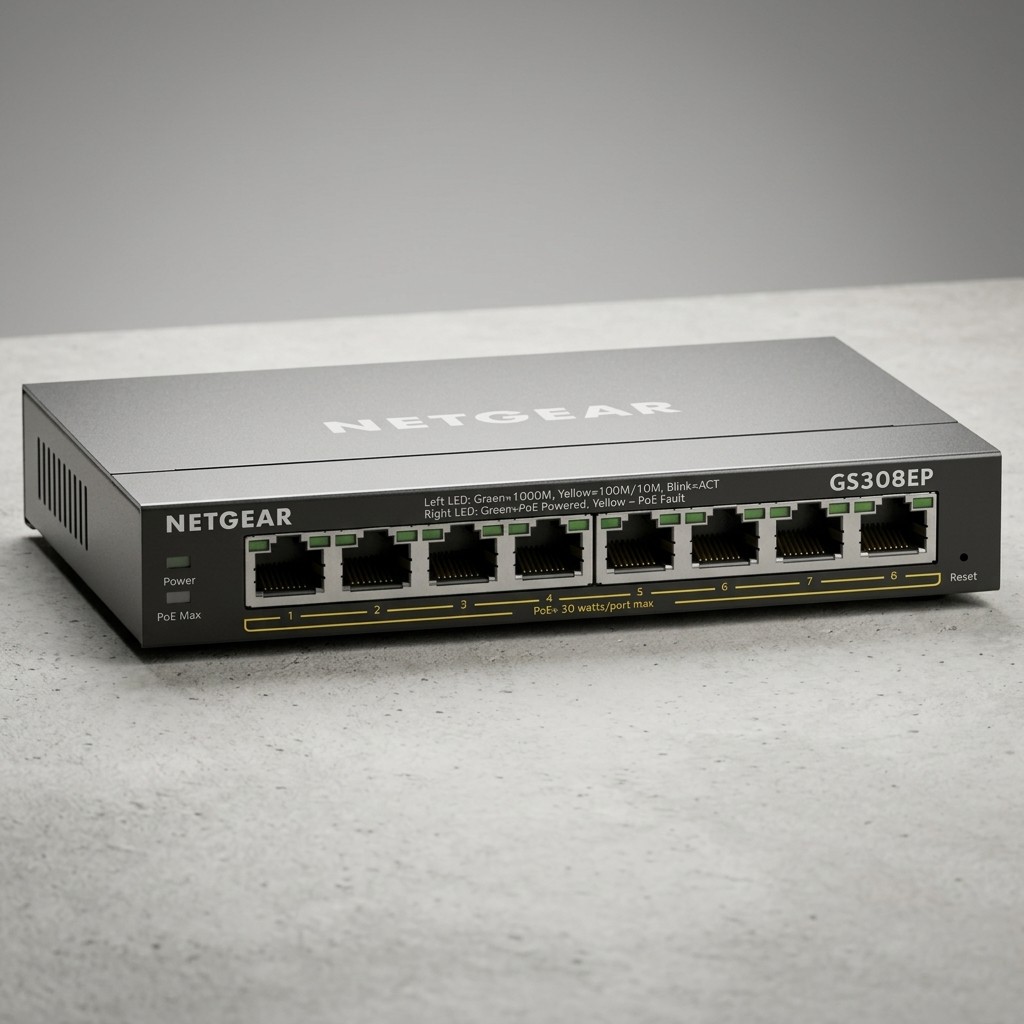
The NETGEAR GS308EP is the clearer fit for a homelab with several wired endpoints or devices that can use PoE+. Its defining combination is Gigabit Ethernet connectivity with PoE+ support, and the intended powered devices include access points, IP cameras, and VoIP equipment. Plug-and-play operation keeps basic deployment straightforward, while low-latency switching and simplified deployment are also part of its feature set. The limitation is that it remains an unmanaged switch, so it does not answer a need for managed configuration or VLAN controls. It can also be more hardware than a small wired setup requires when PoE+ has no role. Choose it when powered endpoints or the eight-port layout genuinely fit the homelab plan.
TP-Link TL-SG105 5-Port Gigabit Ethernet Unmanaged Metal Desktop Network Switch
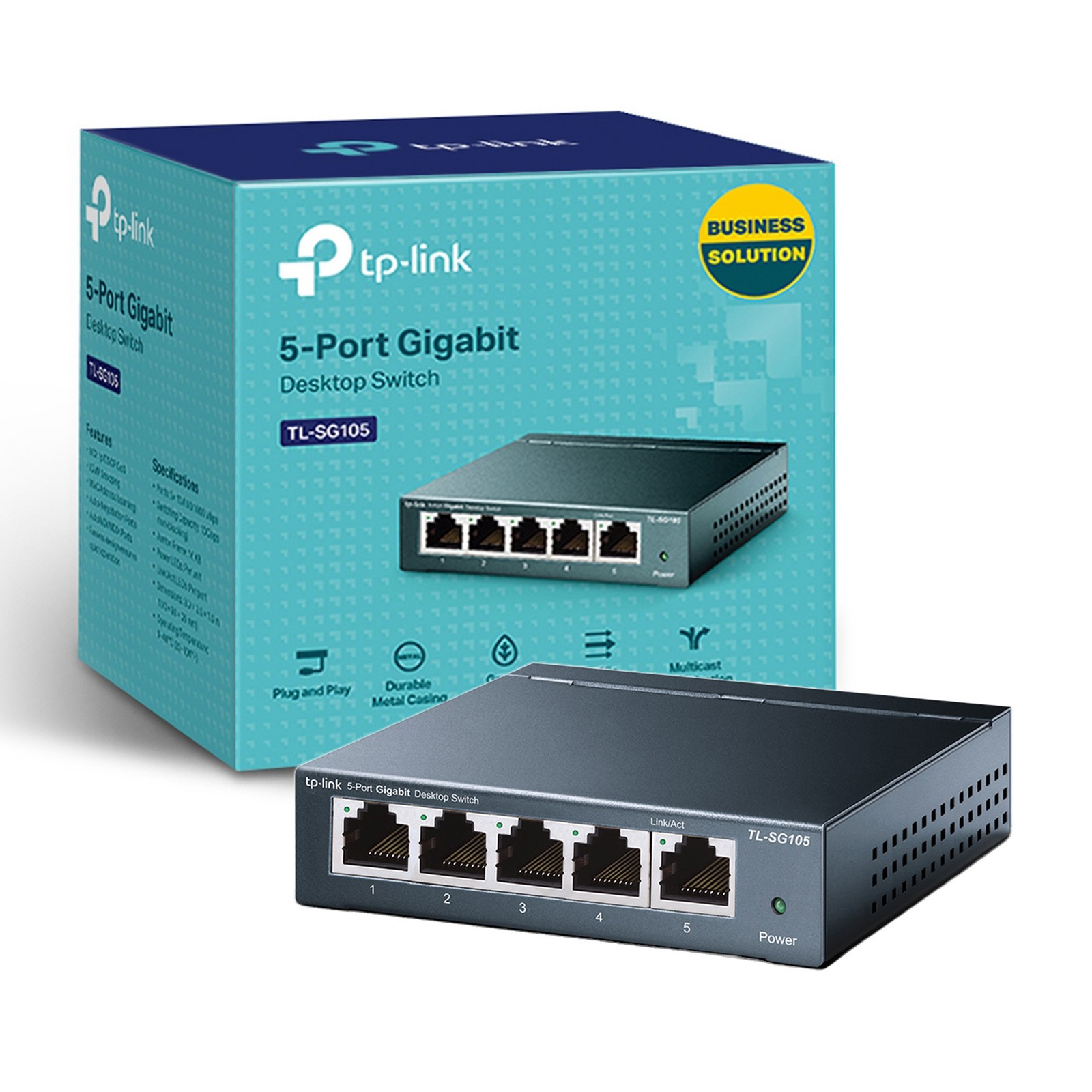
TP-Link TL-SG105 keeps the brief centered on wired Ethernet. Its standalone form factor, RJ-45 interface, and Gigabit Ethernet (1000-Mbit/s) technology suit a straightforward connection point for wired equipment, while the unmanaged, plug-and-play design keeps deployment simple. The limitation is scope: it is the smaller-port alternative in this matchup, and its unmanaged type is not aimed at a managed-switch brief. That makes it less suitable for a homelab plan built around PoE+ devices, where NETGEAR's explicit PoE+ support is the deciding feature. Choose TP-Link when standalone wired expansion is the goal and the setup does not need managed controls or PoE+ support.
Final choice by use case
- For access points, IP cameras, or VoIP equipment that should receive power from the switch: choose NETGEAR GS308EP. PoE+ is the concrete reason.
- For straightforward wired Gigabit expansion: choose TP-Link TL-SG105. Its standalone form factor, RJ-45 interface, and lower listed price fit a simple setup.
- For a managed network switch or VLAN configuration: choose neither from this pair. Both are labeled unmanaged, making them basic connectivity choices rather than clear matches for management-focused homelab networking.
In short, NETGEAR is the logical selection when PoE+ support has a real job. TP-Link is the cleaner match when standalone wired Gigabit expansion is enough and the lower listed price matters more.