Choosing hardware for homelab networking & firewalls means balancing managed control, powered endpoints, port count, and physical placement. The Ubiquiti USW-Flex-2.5G-8-PoE and Cisco Catalyst 2960-24TT-L take distinctly different approaches. The fast decision is whether the Flex PoE design or the Cisco's larger Fast Ethernet layout better matches your network.
Quick verdict
Ubiquiti is the direct fit when powered endpoints and a compact footprint matter; Cisco is the direct fit when a larger wired layout matters. Both are managed network switches, so management alone is not the deciding difference. Ubiquiti centers on Flex PoE, while Cisco centers on 24-Port Fast Ethernet. Start with the network's physical and speed requirements, then use price as the tie-breaker.
Compact comparison
| Switch | Listed price | Ports and network profile | Other listed details |
|---|---|---|---|
| Ubiquiti USW-Flex-2.5G-8-PoE | USD 188.99 | 8 Ethernet ports; all support PoE; managed | New; White; compact size |
| Cisco Catalyst 2960-24TT-L | USD 29.99 | 24 Fast Ethernet ports; maximum 100 Mbps; Layer 2 | Good - Refurbished; rack mountable |
Where each switch wins
- Ubiquiti USW-Flex-2.5G-8-PoE wins for powered devices in a compact setup. All eight Ethernet ports support PoE, and the white, compact design suits a smaller networking area.
- Cisco Catalyst 2960-24TT-L wins for a rack-oriented wired layout. Its rack-mountable form and Layer 2 designation fit a setup where physical port capacity matters more than faster-than-Fast-Ethernet links.
Product notes
Ubiquiti USW-Flex-2.5G-8-PoE
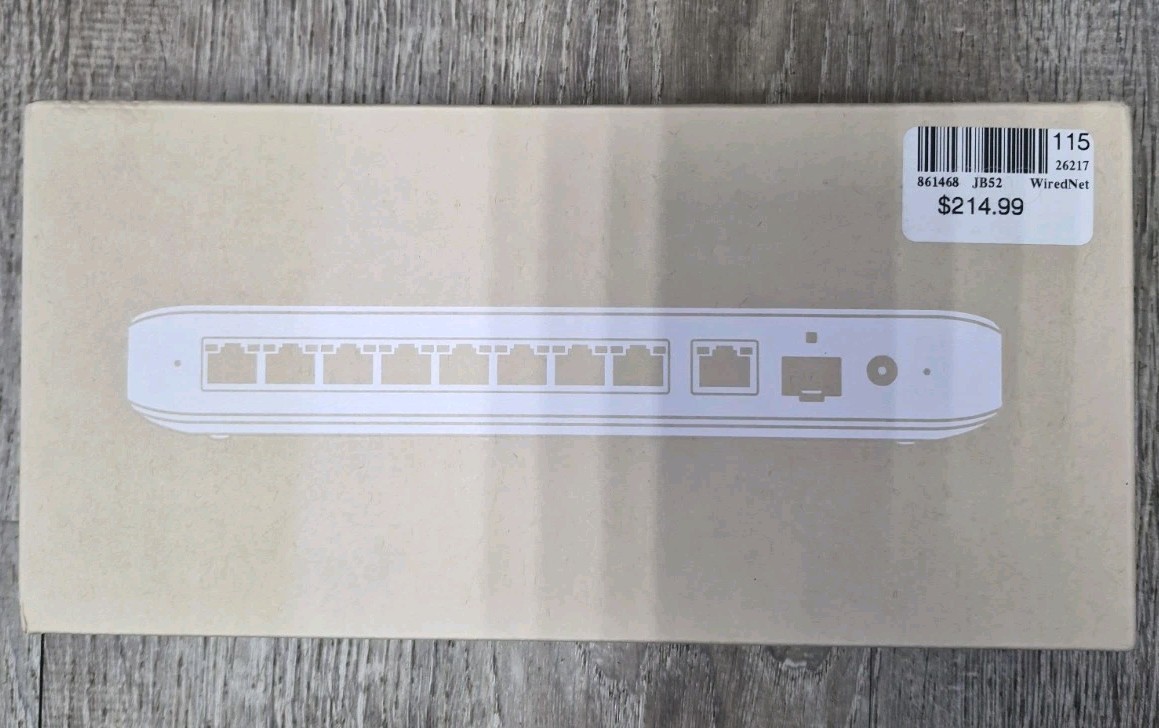
The Ubiquiti USW-Flex-2.5G-8-PoE earns its place in a compact setup where powered network devices are part of the plan. Its white design and compact size make that use case straightforward, while the managed format adds control over network settings. The defining reason to choose it is PoE across all eight Ethernet ports, which aligns with a cluster of devices that can draw power through the network. The limitation is equally concrete: eight ports leave less connection capacity than the Cisco's 24-port layout. At USD 188.99, this choice makes most sense when the Flex PoE role-not simply managed switching-is the feature you need. Choose Ubiquiti for a small, PoE-centered layout.
Cisco Catalyst 2960-24TT-L
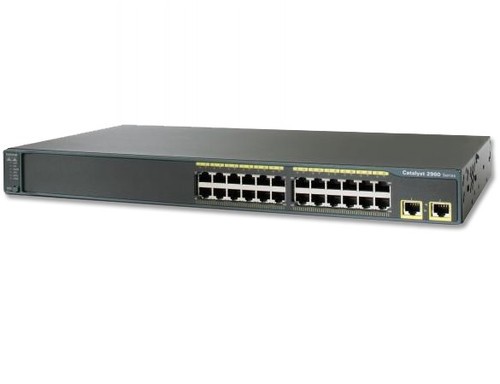
The Cisco Catalyst 2960-24TT-L is the better fit for a port-dense wired plan. Its 24-port layout gives more connection points, while Layer 2 networking and a rack-mountable form factor define a clear role in a rack-based setup. The main limitation is the Fast Ethernet ceiling: the maximum listed data rate is 100 Mbps, so the choice is less aligned with a network that requires links above that rate. Its Good - Refurbished condition is another concrete purchase consideration beside Ubiquiti's New condition. Choose Cisco when physical port capacity matters more than higher link-speed requirements and Fast Ethernet is sufficient for the network.
Final choice by use case
- For a compact, PoE-first homelab: choose Ubiquiti USW-Flex-2.5G-8-PoE because every listed Ethernet port supports PoE and the design is described as compact.
- For many wired endpoints: choose Cisco Catalyst 2960-24TT-L because its 24-port layout provides more connection points.
- For a rack-based setup: choose Cisco for its rack-mountable form and Layer 2 profile.
- For a network that needs more than Fast Ethernet: the Cisco's 100 Mbps maximum is a limitation, making the Ubiquiti the more suitable direction between these two based on the listed network profiles.
The choice is therefore straightforward: Ubiquiti is the managed PoE-focused option, while Cisco is the port-capacity option with a Fast Ethernet limit.