Choosing NAS storage & drives often means deciding whether a lower-cost desktop unit is enough or whether a specific server configuration better matches the job. The D-Link DNR-326 and Qnap TS-451U point to different priorities. Use the comparison below to decide whether a lower purchase price and Ethernet connection or a defined 4-LFF hardware profile matters more.
Quick verdict
The D-Link DNR-326 is the clearer fit for a desktop NAS with Ethernet and a lower upfront commitment. The Qnap TS-451U is the choice for shoppers who specifically want its 4-LFF specification, J1800 2.41GHz CPU, and 1GB RAM, while accepting that no hard drive is included. Both units are listed as used, so condition is shared rather than a deciding edge.
At a glance
| Product | Price | Type | Condition |
|---|---|---|---|
| D-Link DNR-326 | $50.00 | Network Attached Storage | Used |
| Qnap TS-451U | $249.99 | Server | Used |
Where each wins
D-Link wins when keeping the purchase price lower is the priority. Its desktop-unit description and Ethernet interface give it a straightforward fit for a wired home or office network. The lower price also leaves more room in the purchase plan for the required adapter or other NAS components.
Qnap wins when the hardware brief calls for a 4-LFF configuration. The TS-451U also specifies a J1800 2.41GHz CPU and 1GB RAM, giving shoppers a clearly defined configuration to match against their intended NAS project. The tradeoff is the much wider price gap and the absence of a hard drive in the package.
Product notes
D-Link DNR-326 Network Attached Storage Desktop Unit
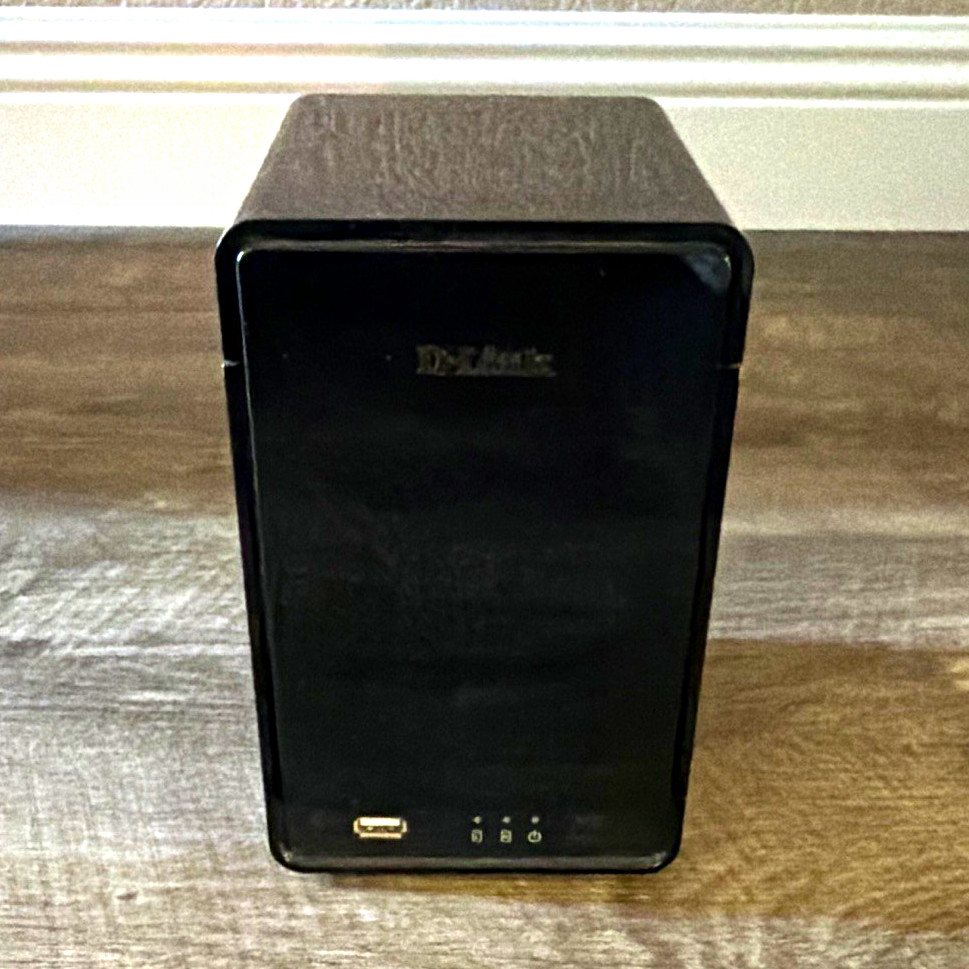
The D-Link DNR-326 makes sense when a desktop NAS unit is the desired form and an Ethernet interface suits the network. Its description also positions it for backing up and storing files in a home or office network, while the black color is clearly identified for shoppers who care about appearance. The main limitation is setup detail: a 12V adapter is required. The unit is also described as gently used and sold as is, which should be part of the decision before choosing it. The $50 price is the strongest reason to select D-Link, but the adapter requirement means the purchase plan needs to account for that accessory. Choose this model when its desktop format and Ethernet connection meet the brief.
Qnap TS-451U 4-LFF NAS
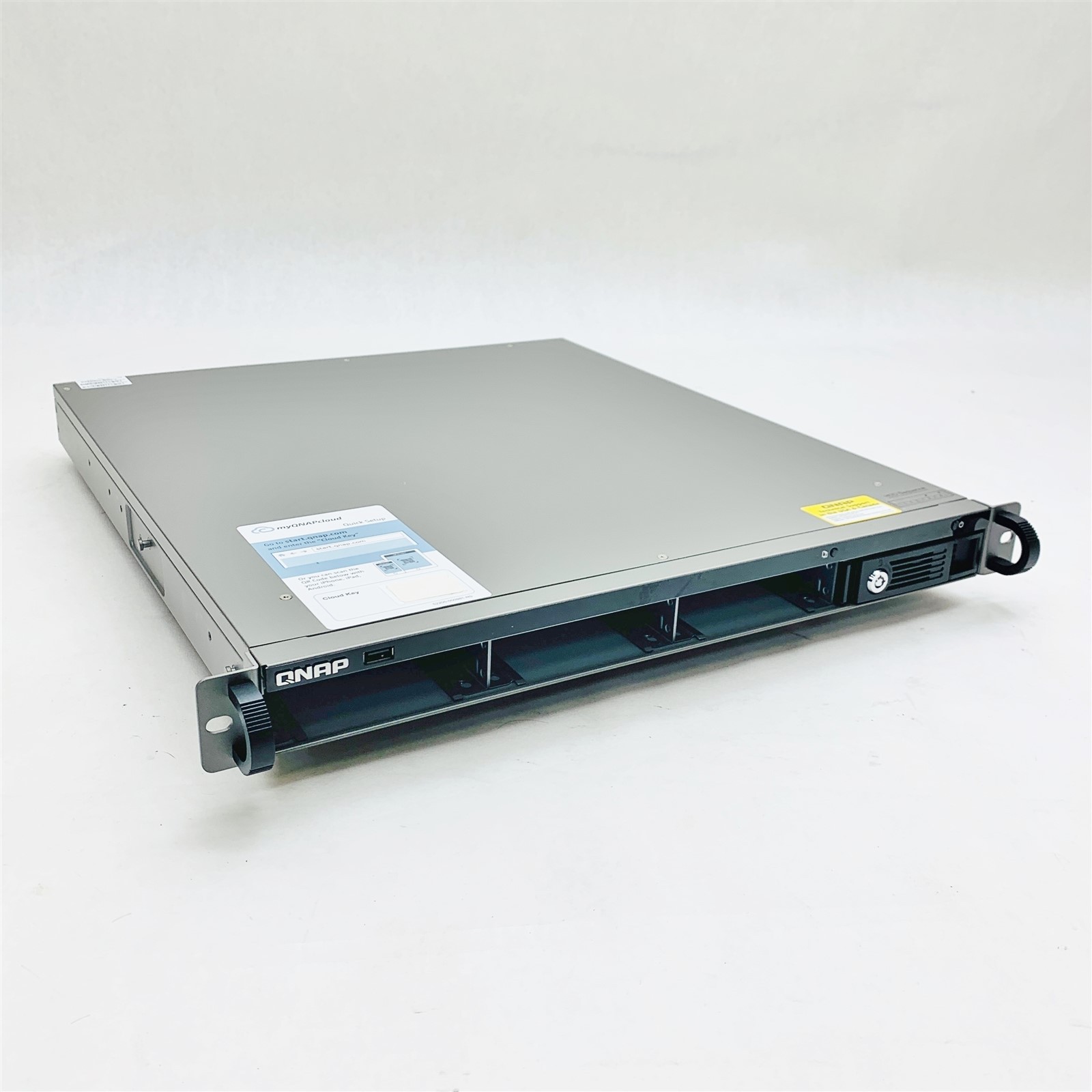
The Qnap TS-451U earns consideration when its specific 4-LFF configuration is the reason for shopping. The title also identifies a J1800 2.41GHz CPU and 1GB RAM, giving the unit a more precisely defined hardware profile than a generic NAS description. Its concrete limitation is that no hard drive is included, so the package is not ready to use as a drive-included storage purchase. At $249.99, it sits $199.99 above the D-Link price, making the extra outlay meaningful rather than incidental. Both the condition and the lack of an included hard drive deserve attention. Choose Qnap when the 4-LFF server specification is central to the project.
Final choice by use case
- For a lower-price home or office NAS: Choose the D-Link DNR-326. The desktop-unit description, Ethernet interface, and $50 price align with this use case, provided the 12V adapter requirement and sold-as-is condition work for you.
- For a defined 4-LFF server configuration: Choose the Qnap TS-451U. Its 4-LFF specification is the clearest reason to select it, but plan around the no-HDD configuration.
- For the simplest decision: Pick D-Link when the listed desktop and Ethernet details meet the need. Pick Qnap only when its specific 4-LFF configuration is the deciding requirement.