Choosing NAS storage & drives often comes down to a practical trade-off: do you want a basic Ethernet-connected unit at a much lower listed price, or a new NAS with a defined 2TB capacity and broader stated backup features? The D-Link DNR-326 and LinkStation 210 take noticeably different approaches, so the right pick depends on setup priorities rather than a universal winner.
Quick verdict
The D-Link Network Attached Storage NAS Desktop Unit, Ethernet, Black #DNR-326 is the practical pick for a shopper who wants a straightforward Ethernet NAS and can accept a used, "Sold as is" unit that requires a 12V adapter. The LinkStation 210 2TB Network Attached Storage is the stronger fit for someone seeking a new configuration with a stated 2TB capacity, Windows and macOS compatibility, and automated backup features.
The D-Link keeps the choice focused on network connection and basic file storage. The LinkStation offers a more specifically described storage and backup setup, but its one-bay HDD configuration and higher listed price make the decision more deliberate.
Listed-price and feature comparison
| Detail | D-Link DNR-326 | LinkStation 210 |
|---|---|---|
| Listed price | USD 50.00 | USD 254.24 |
| Condition | Used; "Sold as is" | New |
| Connection or access | Ethernet | Compatible with Windows and macOS; desktop and laptop devices |
| Storage detail | NAS desktop unit; requires a 12V adapter | 2TB; one-bay; HDD support |
| Stated capabilities | Backup and data storage | File sharing, automated backup, cloud storage, encrypted transfer, and data security |
Where each product wins
- D-Link DNR-326: This model wins for an Ethernet-first setup where basic backup and file storage are the main goals. Its $204.24 price spread below the LinkStation is the clearest reason to consider it, provided the used condition and required adapter are acceptable.
- LinkStation 210: This NAS wins for a new, clearly specified 2TB setup. Windows and macOS compatibility, desktop and laptop support, centralized storage, and automated backup make its intended workflow easier to identify.
Product notes
D-Link Network Attached Storage NAS Desktop Unit, Ethernet, Black #DNR-326
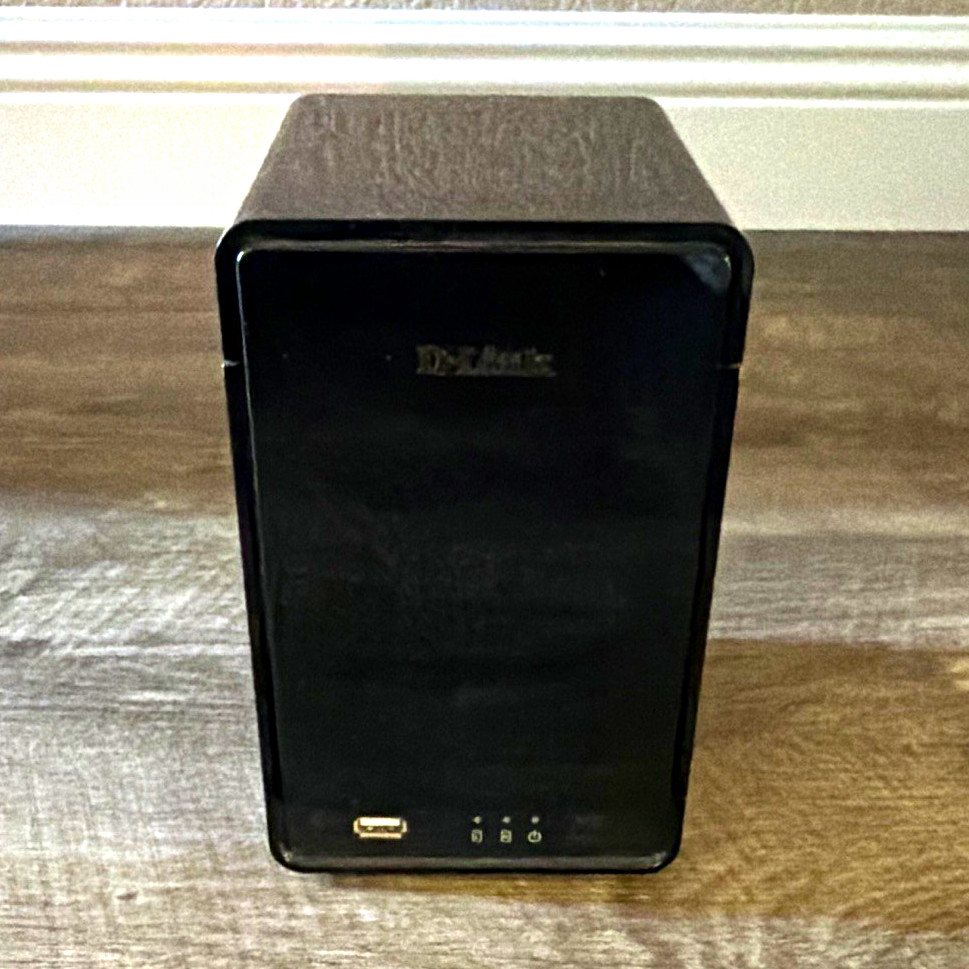
For a shopper building a simple network-attached storage setup around an existing Ethernet connection, the D-Link DNR-326 has a clear appeal. Its Ethernet interface matches the basic network connection described for the unit, and the description frames it for backing up and storing files on a home or office network. That gives D-Link a straightforward use case without relying on extra capabilities. The concrete trade-offs are its used condition, "Sold as is" wording, and required 12V adapter. Choose it when Ethernet access and a basic backup destination are the priorities. It is a weaker fit if you specifically want a new unit with a stated capacity and Windows/macOS compatibility.
LinkStation 210 2TB Network Attached Storage
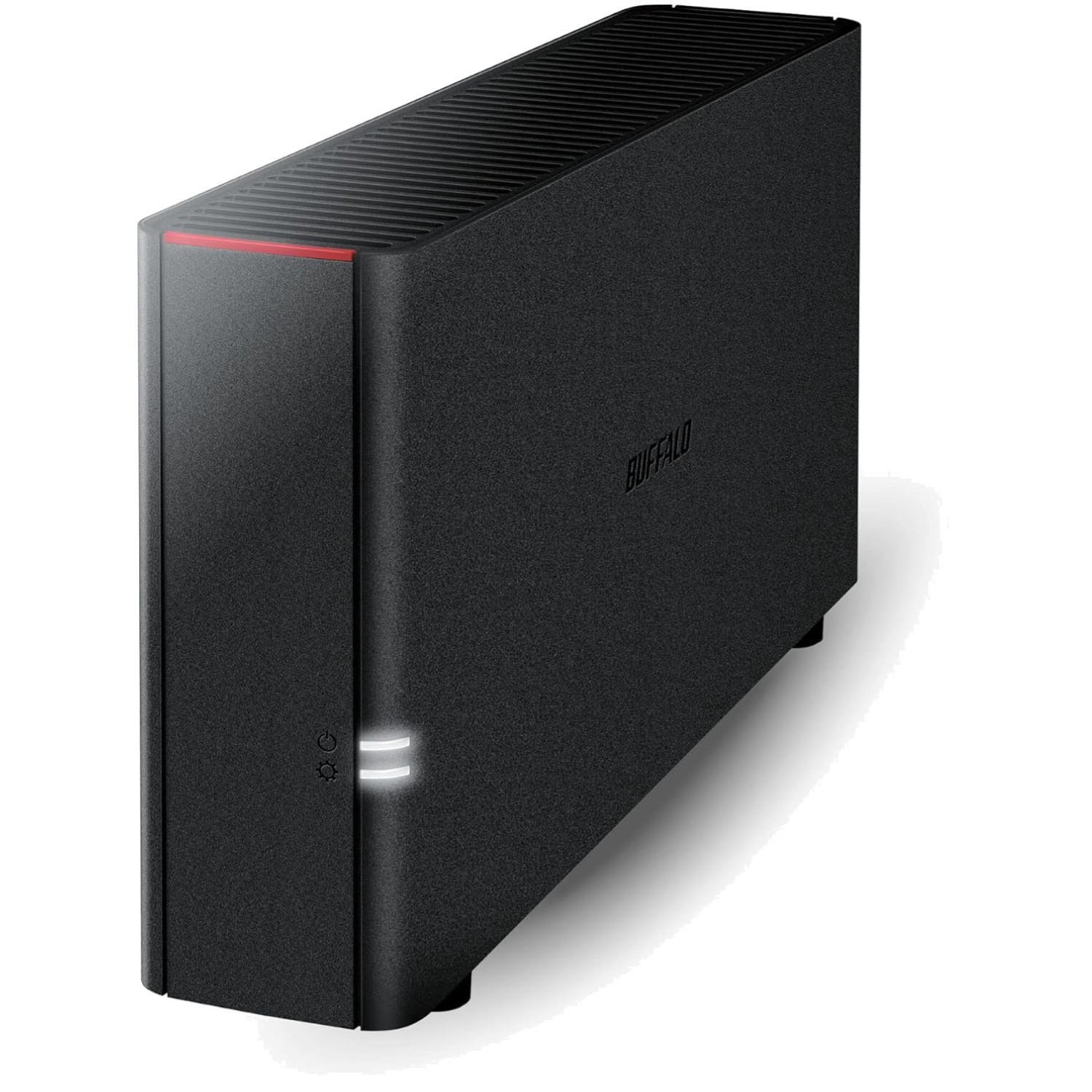
LinkStation 210 makes the stronger case for a defined, new configuration. Its title specifies 2TB, while the description calls out centralized storage, Windows and macOS access, file sharing, and multi-device backup. It also includes automated backup, encrypted transfer, cloud storage, and data security among its stated capabilities, giving shoppers several concrete reasons to choose it for shared files and backups. The limitation is the listed hardware format: it is a one-bay enclosure with HDD support. That may not suit someone planning a different drive format or a multi-bay arrangement. Choose it when the 2TB label, new condition, and Windows/macOS compatibility matter more than a simpler Ethernet-focused setup.
Final choice by use case
- Choose the D-Link DNR-326 for basic Ethernet-connected storage, backup, and file storage when used condition and the required 12V adapter fit your plans.
- Choose the LinkStation 210 for a new NAS with a stated 2TB capacity, Windows/macOS access, desktop and laptop compatibility, and automated backup.
- For the narrowest, lower-cost brief, the D-Link's Ethernet interface and basic storage description are the better match. For the more specifically described backup workflow, the LinkStation's 2TB, one-bay HDD configuration and named software features make the decision clearer.