Choosing developer server database software can go wrong before price enters the picture: these two Microsoft packages address different jobs. One is named SQL Server 2019 Standard Edition; the other is Windows Server 2019 Standard Edition. The useful decision rule is simple: match the software role first, then use price and the CAL package as secondary factors.
Quick verdict
Choose Microsoft SQL Server 2019 Standard Edition when your requirement calls for a full SQL database retail license and the 25-CAL package named in its title. Choose Windows Server 2019 Standard Edition when you need the Windows Server Standard operating system and the 5-CAL package named in its title. The listed prices are USD 319.55 and USD 245.00, creating a $74.55 spread. That gap matters, but it should not outweigh the basic difference between database software and server operating-system software.
At-a-glance comparison
| Product | Listed price | Format | Language | Package detail |
|---|---|---|---|---|
| Microsoft SQL Server 2019 Standard Edition | USD 319.55 | Retail | English | Full SQL database retail license package; 25 CALs |
| Windows Server 2019 Standard Edition | USD 245.00 | Retail | English | Windows Server Standard operating system; 5 CALs |
Both are listed as Microsoft and Brand New. Retail format and English language are also shared details, so they do not separate the choices.
Where each wins
- SQL Server 2019 Standard Edition: This is the stronger match when the purchase brief specifically calls for SQL Server or a full SQL database package. Its description reinforces that focus with 64-bit and physical retail license wording.
- Windows Server 2019 Standard Edition: This fits a brief calling for Windows Server as an operating system. Its description emphasizes a bridge between on-premises environments and Azure services, with hybrid scenarios and datacenter infrastructure in view.
Product notes
Microsoft SQL Server 2019 Standard Edition

Microsoft SQL Server 2019 Standard Edition is the focused choice when a project calls for SQL Server rather than a general server operating system. The description calls it a 64-bit full SQL database retail license package and identifies a physical license package, giving the purchase a clear database orientation. The limitation is role: this software does not fill the Windows Server operating-system position represented by the other choice. That distinction matters because a server operating system and a SQL database are separate purchasing needs. Choose this package when the SQL Server wording in the requirement is the deciding signal, especially when the full-license and physical-package description align with the purchase brief.
Windows Server 2019 Standard Edition
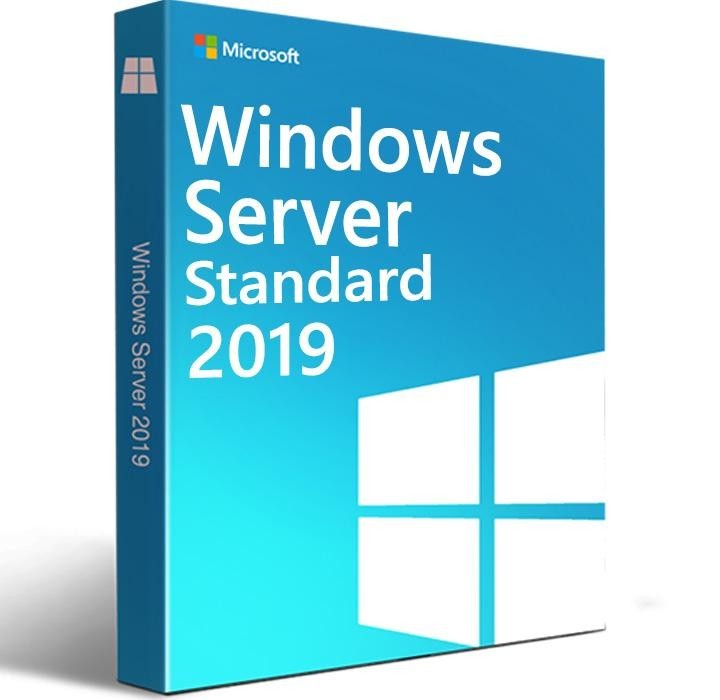
Windows Server 2019 Standard Edition makes sense when the requirement is the Windows Server operating system. Its description also identifies an installation DVD and use for one PC / Server, details that keep the package centered on the server-OS role. The concrete limitation is explicit: RDS CALs are not included, as the description states. A requirement specifically involving RDS access would therefore need licensing beyond this package. Choose it when the Windows Server title and operating-system role match the project, particularly if the described on-premises-to-Azure bridge and hybrid-scenario focus are relevant. It should not be selected when the brief specifically calls for Microsoft SQL Server.
Final choice by use case
- For a SQL database requirement: choose Microsoft SQL Server 2019 Standard Edition. The title's SQL Server wording and full SQL database package description align directly with that use case.
- For a Windows Server operating-system requirement: choose Windows Server 2019 Standard Edition. Its product description centers on the operating-system role and its connection between on-premises environments and Azure services.
- When both requirements appear in the same brief: identify which role is primary. The product titles make the split clear: SQL Server for the database package, Windows Server for the server operating system.