Quick verdict
Choosing creative photo video audio software often means deciding between a simple photo-library workflow and software built around newer platforms. Picasa 3.9 fits shoppers who specifically want classic photo organizing and editing in a lightweight Windows package, delivered on CD-ROM with a listed lifetime license. At USD 24.99, the appeal is the legacy workflow rather than a modern software ecosystem.
Picasa 3.9 Photo Editing & Management Software for Windows Picture Album Manager
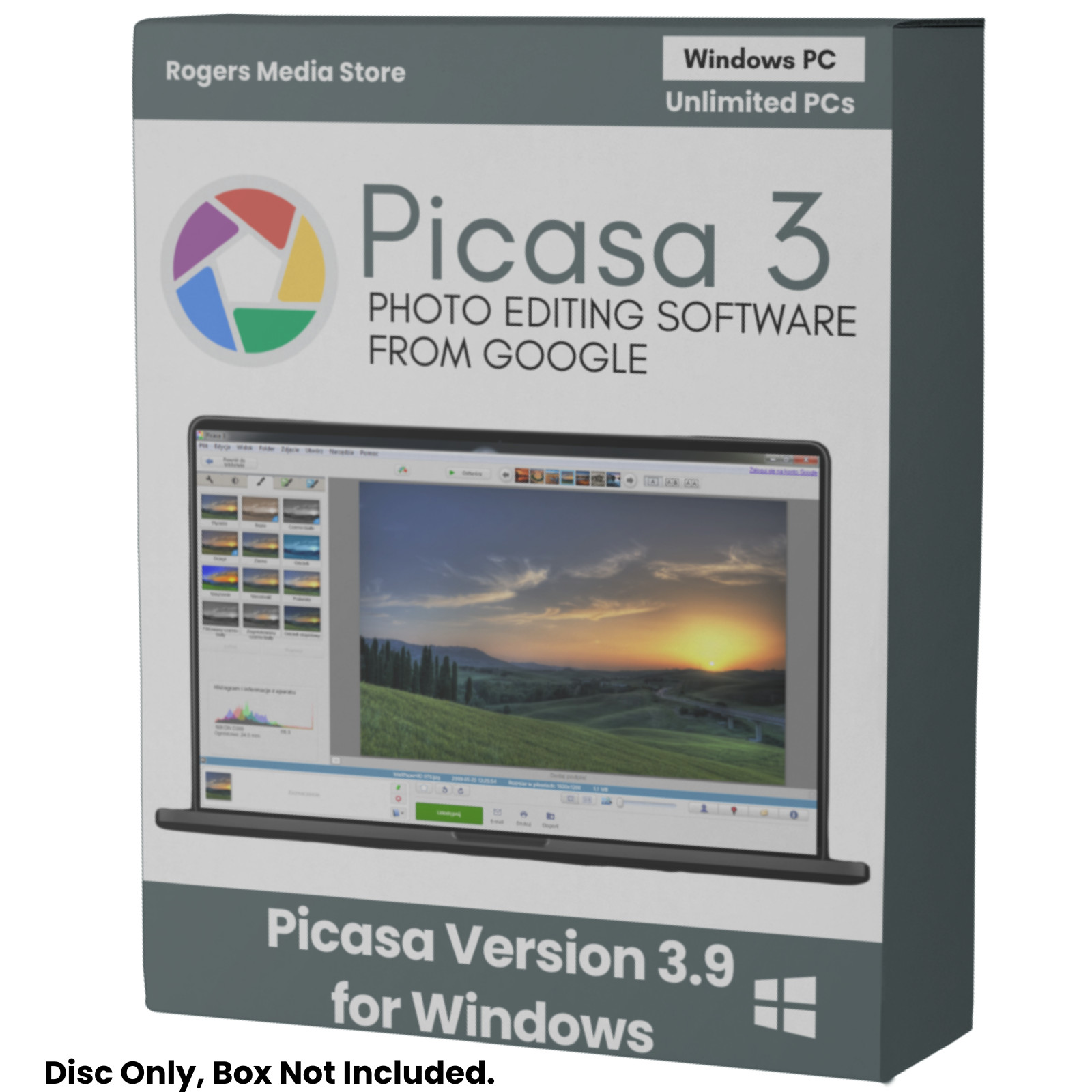
Choose Picasa 3.9 if you want a photo organizer and editor in one Windows-focused package. The clearest reasons are its simple design, picture-album management focus, and CD-ROM format, which suits the description's legacy-system and backup use cases. The limitation is equally concrete: Google officially discontinued Picasa, and the item is disc only with no box included.
The compatibility details center on Microsoft Windows 7, 8, 8.1, and 10, including 64-bit entries for several versions. The package is also identified as the final version, Picasa v3.9, and the listed language is English. A minimum requirement of 1 GB of hard-drive space and a 2 GHz processor gives shoppers a basic sense of the intended Windows setup.
Who it suits
Picasa 3.9 is best matched with someone who wants a straightforward way to organize and make basic edits to photos without choosing separate programs for those tasks. It is particularly relevant for a shopper maintaining a compatible Windows computer or looking for physical installer media for a legacy setup. The lifetime license label may also appeal to anyone who prefers a fixed-license format.
The software's appeal is not tied to a broad creative suite. Instead, it is concentrated around photo management and editing, making the product title's "Picture Album Manager" emphasis important. Shoppers looking for a focused photo utility may find that narrower purpose easier to understand than a package built around video, audio, and broader production tools.
Meaningful trade-offs
The main trade-off is the discontinued status. Google no longer develops Picasa, so it is a poor fit for someone whose priority is an actively maintained Google photo application. The CD-ROM delivery is another practical consideration: the physical format is useful for a backup or legacy-system scenario, but the package is described as disc only rather than including a box.
Compatibility is also framed around the listed Windows versions rather than a broad, platform-neutral setup. That makes the software a more specific choice for Windows shoppers. Its 1 GB storage and 2 GHz processor requirements are modest on paper, but the larger decision is whether the classic Picasa workflow matches the computer and software expectations involved.
Bottom line
Picasa 3.9 is a focused choice for a shopper who values a simple Windows photo organizer/editor, CD-ROM media, and a lifetime license. Its strongest fit comes from the combined management-and-editing role and its explicit positioning for legacy systems. The decisive drawback is that Google discontinued it, while the disc-only format with no box keeps the package firmly in the classic-software category.